Smart Android And Trik-Commenting on Andorid indeed never endless, because smart devices this one is often updated every certain amount of time. So that the market can always be garapnya menerinya with pleasure. And it is not denied if this device has become the lifestyle of each society. To not wonder if the 6th business information and many are turning to mobail smartphone. With Android which thoroughly dominated the mobile industry, choosing the best Android smartphone is almost identical to choose the best smartphone, period. But while Android phones have few real opponents on other platforms, internal competition is intense.
Introduction
'A's and 'J's, unite! We have for review the Samsung Galaxy A6 (2018) which takes the A8's camera and rear-mounted fingerprint sensor and fits them in a J5 (2017)-like aluminum body. Mind you, there's also the J6 (no year) which is a lot like the A6 (2018), but minus the A's cameras and with a plastic body. As if Samsung's lineup could get any more confusing.
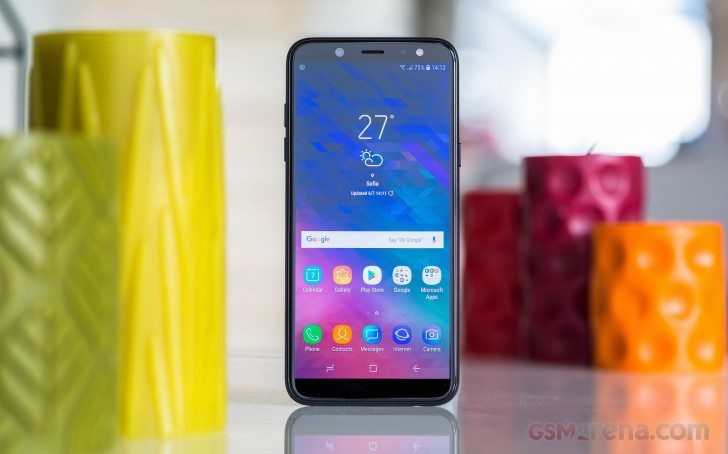
Straight out of the J-series comes the chipset - Samsung's own Exynos 7870 which we really liked for its power efficiency all the way back when it was introduced with the J7 (2016). Hint, hint - it is a bit old. The base model comes with a pretty adequate 3GB of RAM and 32GB storage, though a higher-specced 4GB/64GB version is also available in some places. There's a microSD slot too - a dedicated one regardless of SIM count.
The A8 (2018) lends its primary camera - the 16MP f/1.7 shooter replaces the J5 (2017)'s 13MP one. Same thing on the front - 16MP f/1.9 selfie cam is lifted off the A8 (2018), only there it was joined by a secondary 5MP module for depth detection. No such thing here, though, just the 16MP camera. And a flash, there's a front facing flash.
There's also a front-facing display - a rather orthodox arrangement. It's a 5.6-inch SuperAMOLED panel, just like on the A8 (2018). Oh, but it isn't - while the one on the A8 has a 1080p resolution, the A6 gets 720p, in a tall 18.5:9 aspect, of course.
Samsung Galaxy A6 (2018) specs
- Body: Aluminum back; 149.9 x 70.8 x 7.7mm, 159g; Black, Gold, Blue and Lavender color schemes (market dependent);
- Display: 5.6" Super AMOLED display, HD+ 1,480x720px resolution Infinity display (18.5:9 aspect ratio), 294ppi pixel density.
- Rear camera: 16MP, f/1.7 aperture; phase detection autofocus; LED flash. 1080p/30fps video recording.
- Front camera: 16MP, f/1.9 aperture; fixed focus; LED flash. 1080p/30fps video recording.
- OS/Software: Android 8.0 Nougat; Samsung Experience 9.0 custom overlay.
- Chipset: Exynos 7870: octa-core 1.6GHz Cortex-A53 CPU, Mali-T830 MP1 GPU.
- Memory: 3GB of RAM, 32GB of storage or 4GB of RAM, 64GB of storage; dedicated microSD slot for expansion.
- Battery: 3,000 mAh Li-Po (sealed).
- Connectivity: Dual SIM; LTE Cat. 6 (300Mbps download); microUSB port; Wi-Fi a/b/g/n; GPS, GLONASS, Beidou; NFC; Bluetooth 4.2; FM radio.
- Misc: Rear-mounted fingerprint reader; single speaker on the side; 3.5mm jack.
There are no A-series goodies like water and dust protection, or fast charging. You wouldn't expect them from a more affordable J-series phone, but with the A in the name comes a much higher price tag, and we start asking for things. And is a USB-C port too much to ask for?
In fact, even before we delve into examining the A6 (2018) up close, we feel that its price sets the bar too high and may end up being its biggest issue. Let's not get ahead of ourselves though, and have a look at the design.
Design and 360-degree spin
What would happen if you were to stretch the Galaxy J5 (2017)'s display from a 5.2-inch 16:9 to a 5.6-inch 18:9 aspect while keeping the physical dimensions mostly unchanged? Well, for one, you'd run out of room on the front for the fingerprint sensor.
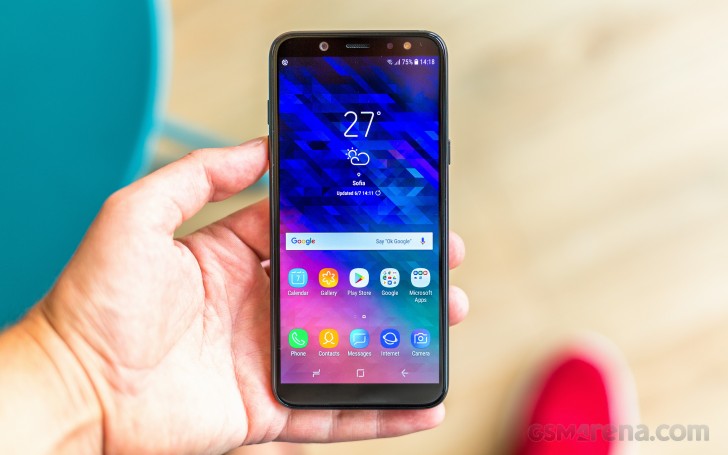
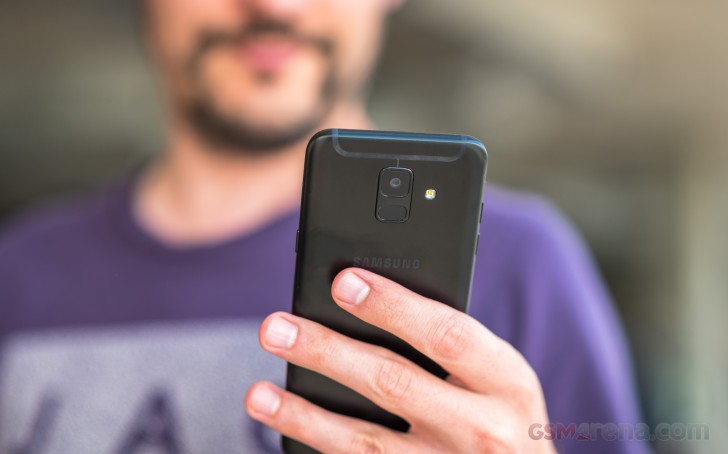
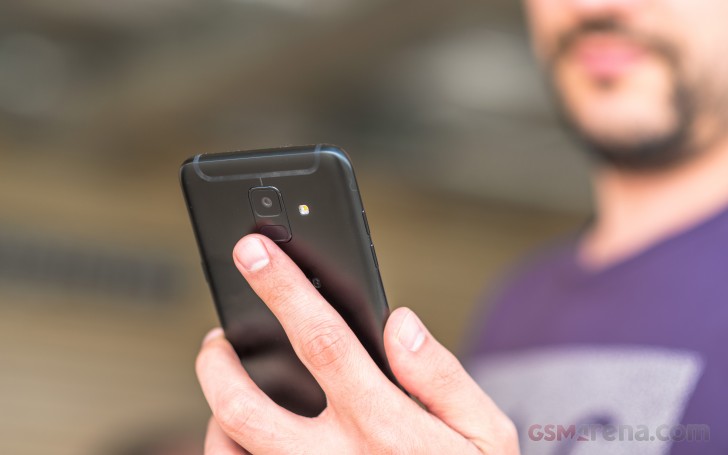
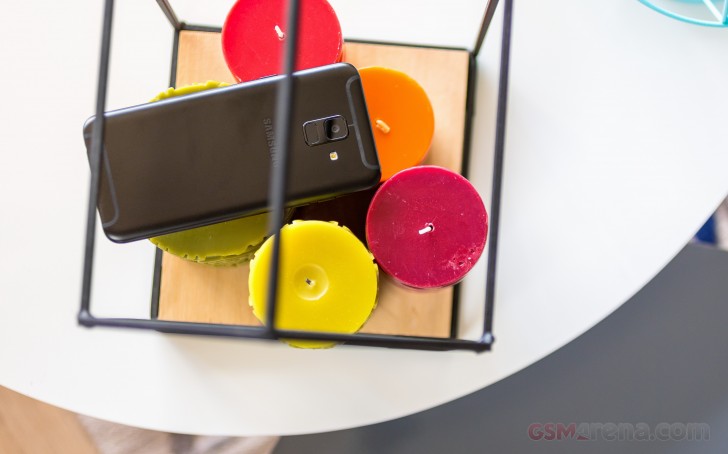
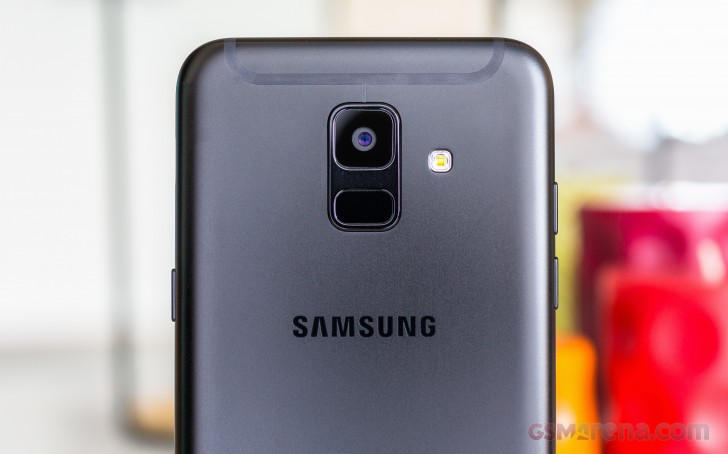
No worries though, the A8 (2018) has a solution and the A6 (2018) is happy to use it - fingerprint reader on the back below the camera. We saw the same design on the Galaxy J6, which isn't all that different from the the A6 in a lot of respects.
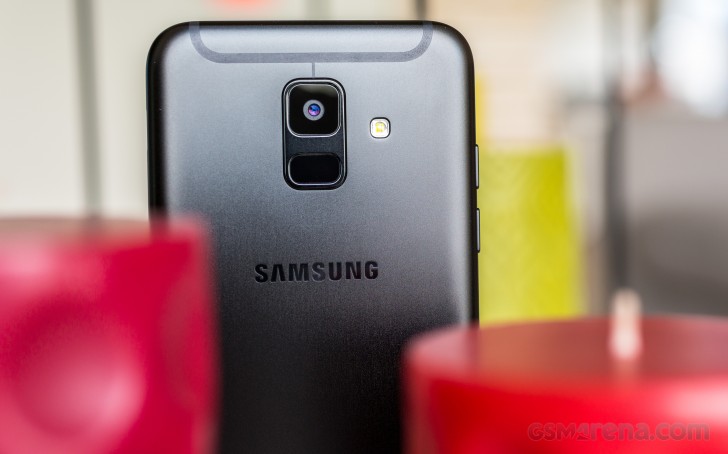
It does differ in the build, however. That's why we've been rambling on about the J5 (2017) - while the J6 is plastic, the A6 (2018) has an aluminum back like last year's J5. And just like that phone, the A6 (2018) has the same prominent antenna bands - if you can't hide them, turn them into a design accent.
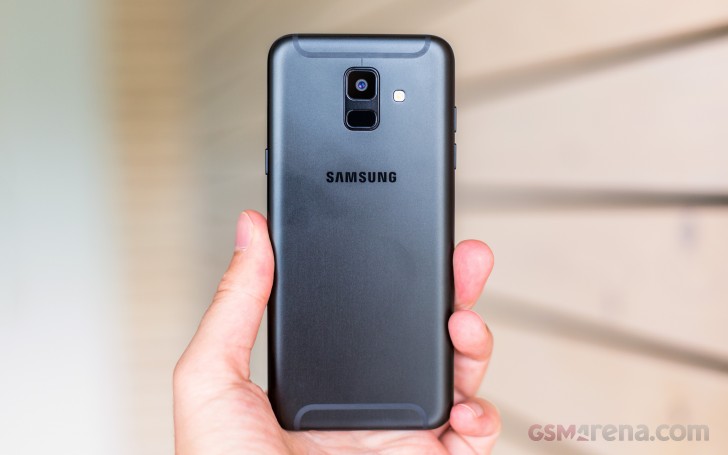
The satin finish isn't the grippiest, though it's not like we felt we'd drop the A6 when handling it. The phone does pick up fingerprints, but they're not as unpleasant as on a glass-backed phone and are relatively easy to clean. We're speculating that on lighter paintjobs, they'd be practically invisible.
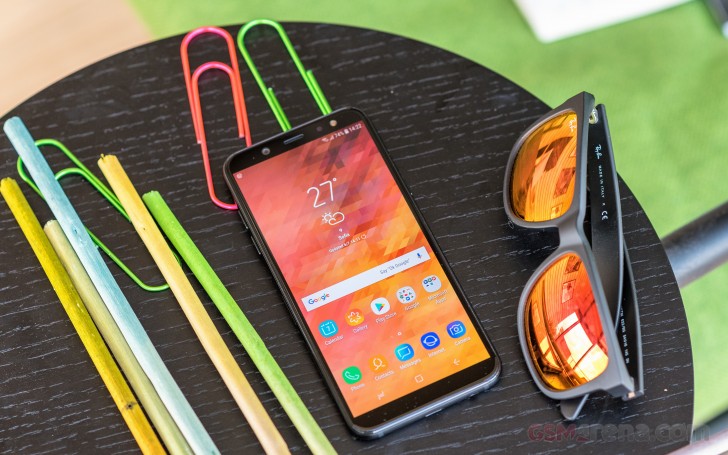
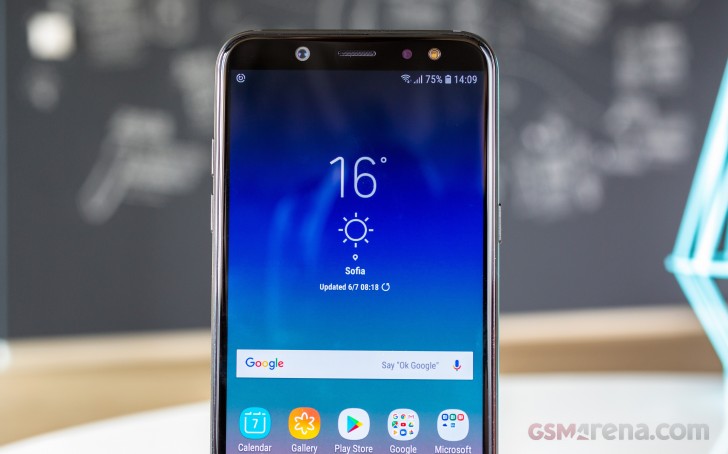
Over on the front, the display has eaten up some of the chin and forehead, though there are no fancy curved edges or rounded corners - a no-nonsense 5.6-inch Super AMOLED. We're not entirely sure Samsung's quite right to call this an 'Infinity display' - it is in a tall aspect, yes, but the bezels aren't really minimal.
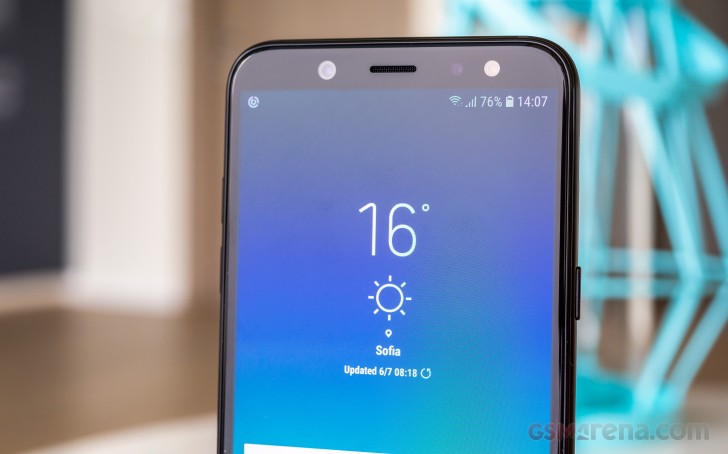
Up in the top one, there's an earpiece where earpieces tend to be. The selfie camera is to its left and, unlike the A8 (2018), here it's a single one. The front facing flash is here to stay, which is always nice. Naturally, an ambient light sensor and a proximity sensor complete the list of stuff above the display. Wait, that means there's no notification LED? Precisely.
There's nothing below the display - the J5 (2017) had the physical home button and the capacitive keys there, but these are no more.
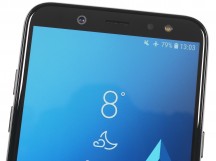
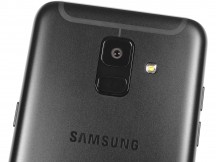
18.5:9 Super AMOLED display • Flash - yes, notification LED - no • 'A' camera in a 'J' body
It does have some physical buttons, the A6 (2018). One of those is on the right - for power, two more on the left - for volume. The left side is pretty crowded too - there's one card slot that takes a nano SIM, and another card slot that takes a microSD card and a second nano SIM for the dual SIM versions. Yay to dedicated microSD slots!
We're not half as excited about the microUSB port - what year is it, Samsung? And even if we'd let it slide on a budget phone, the A6 (2018) is priced at around EUR300, and the lack of USB-C is unacceptable. At least there's a 3.5mm jack. There's no loudspeaker on the bottom, you might have noticed - that's because it's on the right side above the power button, as has been the recent norm in the A and J series.
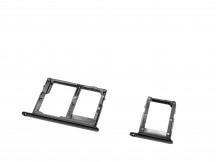
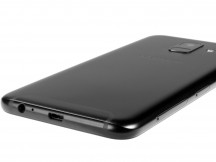
Volume controls and slots on the left • Two SIMs and microSD • microUSB should be in the past
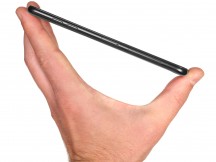
The Galaxy A6 (2018) measures 149.9 x 70.8 x 7.7mm, a marginal 0.7mm taller and 0.2mm wider than the A8 (2018), but a more tangible 0.7mm thinner. With the same capacity battery inside at that. It's also 13g lighter than its more upmarket sibling - our kitchen scales showed 159g with the A6 on top.
A finite number of pixels on this 'Infinity display'
The Galaxy A6 (2018) is equipped with a 5.6-inch Super AMOLED display (is Samsung still fitting LCDs on anything?). The resolution is 720x1480px in a Samsung-typical 18.5:9 aspect, because 18:9 is too mainstream.
The pixel density works out to 294ppi, which should be fine, but with the diamond pixel arrangement, we swear we can see the fine weave of subpixels. We'd generally dismiss it with something like 'it's no big deal in this price range', only the A6 isn't all that affordable.
Anyways, in our brightness testing, the A6 posted 336nits of maximum brightness with the auto toggle disengaged, and a healthier 482nits when in auto mode and when the ambient light is bright enough. Both numbers are virtually identical to the ones we got from the J5 (2017), but short of what true A-series members like the A8 (2018) and the A7 (2017) are capable of. The Huawei P20 Lite with its LCD is equally bright as the A6 (2018) in auto mode while this year's Nokia 6 is a few nits short.
The A6 (2018)'s minimum brightness of 4.7nits is great for nighttime viewing without added strain on your eyes.
| Display test | 100% brightness | ||
| Black, cd/m2 | White, cd/m2 | ||
| 0 | 336 | ∞ | |
| 0 | 482 | ∞ | |
| 0 | 326 | ∞ | |
| 0 | 485 | ∞ | |
| 0 | 390 | ∞ | |
| 0 | 590 | ∞ | |
| 0 | 413 | ∞ | |
| 0 | 559 | ∞ | |
| 0.27 | 482 | 1785 | |
| 0.401 | 532 | 1327 | |
| 0.367 | 469 | 1278 | |
| 0.35 | 423 | 1209 | |
| 0.28 | 530 | 1893 | |
| 0.421 | 459 | 1090 | |
| 0.583 | 560 | 961 | |
| 0.47 | 504 | 1072 | |
Sunlight legibility in our test proved okay, but the score is far from the best AMOLEDs. In fact, there are some good LCDs that have posted better contrast ratios in our bright light test. It's not bad, it's just not up to the standard we're used to.
Sunlight contrast ratio
- Apple iPhone X
5.013 - OnePlus 5T
4.789 - Samsung Galaxy S8
4.768 - Samsung Galaxy S8+
4.658 - Samsung Galaxy S9
4.63 - Samsung Galaxy S6 edge+
4.615 - Samsung Galaxy S9+
4.537 - Motorola Moto Z2 Play
4.459 - Oppo R11
4.454 - Samsung Galaxy S7 edge
4.439 - OnePlus 3
4.424 - Samsung Galaxy S7
4.376 - HTC One A9
4.274 - Oppo R15 Pro
4.251 - Samsung Galaxy Note7
4.247 - Samsung Galaxy A3
4.241 - Nokia 8
4.239 - Google Pixel 2 XL (pre-update)
4.234 - OnePlus 3T
4.232 - Google Pixel XL
4.164 - ZTE Axon 7
4.154 - Samsung Galaxy Note8
4.148 - Meizu Pro 7 Plus
4.147 - Samsung Galaxy S6 edge
4.124 - Samsung Galaxy A7 (2017)
4.124 - Huawei Mate 10 Pro (normal)
4.096 - Samsung Galaxy Note5
4.09 - Huawei P20 Pro
4.087 - Nokia 6 (2018)
4.052 - Google Pixel 2 (pre-update)
4.023 - LG V30
4.022 - Huawei Nexus 6P
4.019 - Samsung Galaxy J7 Pro
3.998 - OnePlus X
3.983 - Vivo Xplay5 Elite
3.983 - Oppo R7s
3.964 - Apple iPhone 7
3.964 - Apple iPhone 8 (True Tone)
3.957 - Huawei P9 Plus
3.956 - Meizu Pro 6 Plus
3.935 - Lenovo Moto Z
3.931 - Samsung Galaxy A7 (2016)
3.918 - OnePlus 5
3.914 - Samsung Galaxy C5
3.911 - Samsung Galaxy C7
3.896 - Samsung Galaxy A5
3.895 - Samsung Galaxy J7 outdoor
3.879 - Samsung Galaxy J2 outdoor
3.873 - Motorola Moto G6 Plus
3.865 - Samsung Galaxy A8
3.859 - Samsung Galaxy A8 (2018)
3.842 - Sony Xperia XZs
3.818 - Samsung Galaxy A9 (2016)
3.817 - Motorola Moto X (2014)
3.816 - Samsung Galaxy J7 (2017)
3.812 - Samsung Galaxy A5 (2017)
3.804 - Samsung Galaxy J7 (2016) outdoor mode
3.802 - Xiaomi Redmi Pro
3.798 - LG V20 Max auto
3.798 - Sony Xperia XZ
3.795 - Samsung Galaxy A5 (2016)
3.789 - Apple iPhone 6s
3.783 - Meizu Pro 5
3.781 - Microsoft Lumia 650
3.772 - Xiaomi Mi 6
3.767 - Sony Xperia XZ1
3.765 - Samsung Galaxy J7 (2016)
3.756 - Nokia 8 Sirocco
3.745 - Sony Xperia XZ1 Compact
3.729 - Apple iPhone 8 Plus (True Tone)
3.725 - Oppo F1 Plus
3.709 - Vivo X5Pro
3.706 - Samsung Galaxy A3 (2017)
3.688 - Huawei P20
3.683 - Apple iPhone SE
3.681 - Huawei Mate 9
3.68 - Samsung Galaxy A7
3.679 - Sony Xperia XZ2 Compact
3.675 - Meizu PRO 6
3.659 - BlackBerry Priv
3.645 - Sony Xperia XA1 Ultra
3.597 - Apple iPhone 7 Plus
3.588 - Sony Xperia XZ2
3.58 - LG G6
3.556 - Apple iPhone 6s Plus
3.53 - Motorola Moto Z Play
3.526 - Samsung Galaxy J3 (2016) outdoor mode
3.523 - Samsung Galaxy J3 (2016)
3.523 - Acer Jade Primo
3.521 - Microsoft Lumia 950
3.512 - Oppo R7 Plus
3.499 - Nokia 7 plus
3.479 - nubia Z11
3.466 - Huawei P10 Plus
3.456 - HTC U Ultra
3.453 - Motorola Moto G6
3.448 - Sony Xperia XA2 Ultra
3.445 - Samsung Galaxy J7
3.422 - Motorola Moto G6 Play
3.419 - Meizu MX5
3.416 - LG V20
3.402 - Samsung Galaxy A6 (2018)
3.397 - Xiaomi Redmi Note 5 AI Dual Camera
3.393 - Huawei P10
3.379 - Samsung Galaxy J5 (2016)
3.378 - Oppo R9s
3.352 - Honor 8 Pro
3.341 - Oppo F7
3.333 - Oppo R7
3.32 - Lenovo P2
3.316 - Archos Diamond Omega
3.305 - Honor 9
3.289 - Xiaomi Mi 5s
3.276 - Nokia 5
3.261 - Nokia 6 (Chinese version)
3.244 - Nokia 6 (Global version)
3.238 - Samsung Galaxy J2
3.235 - Sony Xperia X Performance
3.234 - Xiaomi Mi Note 2
3.228 - Motorola Moto X Play
3.222 - Oppo F3 Plus
3.218 - Huawei Mate 9 Pro
3.206 - Huawei P9
3.195 - Xiaomi Mi Mix 2
3.19 - ZTE Nubia Z17
3.159 - Oppo R11s
3.153 - Lenovo Vibe Shot
3.113 - HTC U11 Life
3.108 - Motorola Moto X Force
3.105 - LG Nexus 5X
3.092 - HTC U11
3.089 - Huawei Mate S
3.073 - Microsoft Lumia 640 XL
3.065 - Apple iPhone 6 Plus
3.023 - Asus Zenfone 4 ZE554KL
3.019 - Motorola Moto X4
3.012 - Sony Xperia XA1
3.012 - Sony Xperia L1
2.994 - Sony Xperia X
2.989 - LG Q6
2.987 - Huawei P10 Lite
2.974 - Samsung Galaxy Note
2.97 - Huawei P20 Lite
2.952 - Xiaomi Redmi 5
2.951 - Huawei Mate 8
2.949 - Sony Xperia XA2
2.938 - Oppo Realme 1
2.932 - Xiaomi Redmi 4
2.92 - Xiaomi Redmi 3S
2.913 - Xiaomi Redmi 5 Plus
2.913 - Sony Xperia XA Ultra
2.906 - LG G5
2.905 - Huawei Honor View 10
2.896 - Xiaomi Redmi 3s Prime
2.893 - Xiaomi Mi 5s Plus
2.884 - Sony Xperia XZ Premium (sRGB)
2.877 - Sony Xperia XZ Premium
2.877 - Sony Xperia Z5
2.876 - Nokia 3
2.871 - Microsoft Lumia 550
2.851 - Lenovo Moto M
2.813 - Xiaomi Redmi 3 Pro
2.803 - Sony Xperia Z5 compact
2.784 - Honor 10 (Vivid)
2.757 - Nokia 2
2.752 - Meizu MX6
2.751 - LG V10
2.744 - Huawei Mate 10 (normal)
2.742 - Motorola Moto G5S Plus
2.737 - Xiaomi Redmi 3
2.735 - Huawei Honor 7X
2.734 - Xiaomi Redmi Note 4 (S625)
2.714 - Meizu M5
2.71 - Sony Xperia M5
2.69 - Xiaomi Mi A1
2.689 - Xiaomi Redmi 4 Prime
2.679 - Huawei P9 Lite
2.679 - vivo V7+
2.671 - Vivo V3Max
2.659 - Xiaomi Mi Mix
2.658 - Huawei Mate 10 Lite
2.654 - Oppo F5
2.653 - Doogee Mix
2.642 - Xiaomi Mi 4i
2.641 - Xiaomi Redmi 4a
2.635 - Sony Xperia Z3
2.618 - Xiaomi Mi 5X (Standard)
2.616 - Sony Xperia XA
2.609 - Motorola Moto G4 Plus
2.582 - Motorola Moto G4 Plus (max auto)
2.582 - Meizu M5s
2.58 - Xiaomi Mi 4c
2.574 - LeEco Le Max 2
2.567 - Microsoft Lumia 640
2.563 - Huawei P Smart
2.563 - Asus Zenfone 3 ZE552KL
2.563 - Xiaomi Mi Max 2
2.561 - Xiaomi Redmi Note 5A (Y1)
2.556 - HTC U11+
2.556 - Lenovo Moto G4
2.544 - Lenovo K6 Note
2.544 - Oppo F1
2.528 - Sony Xperia Z5 Premium
2.525 - Huawei Honor 7 Lite / Honor 5c
2.506 - Sony Xperia M4 Aqua
2.503 - BlackBerry Motion
2.494 - Oppo F1s
2.481 - Motorola Moto G
2.477 - Lenovo Vibe K5 Plus
2.473 - Huawei G8
2.471 - Huawei nova
2.467 - Sony Xperia Z
2.462 - Lenovo Vibe K5
2.459 - Meizu m3 max
2.447 - Xiaomi Mi 4
2.424 - Xiaomi Mi 5X (Auto)
2.417 - HTC 10 evo
2.407 - Huawei Honor 7
2.406 - Vivo V7
2.404 - Sony Xperia E5
2.386 - ZUK Z1 by Lenovo
2.382 - HTC 10
2.378 - Oppo F3
2.376 - vivo V5 Plus
2.371 - Meizu m1 note
2.362 - Huawei nova plus
2.329 - Razer Phone
2.328 - HTC One E9+
2.305 - Alcatel One Touch Hero
2.272 - Sony Xperia L2
2.266 - Lenovo Vibe K4 Note
2.254 - HTC U11+ (EU)
2.253 - Sony Xperia C5 Ultra
2.253 - Xiaomi Redmi Note 3 (MediaTek)
2.249 - Sony Xperia C4 Dual
2.235 - Xiaomi Mi Note
2.234 - Motorola Moto G (2014)
2.233 - LG Nexus 5
2.228 - Huawei P8
2.196 - Meizu M5 Note
2.189 - Huawei Honor 6
2.169 - Xiaomi Redmi Note 2
2.166 - OnePlus Two
2.165 - HTC One X
2.158 - LG Aka
2.145 - Xiaomi Redmi Note 4 (X20)
2.145 - Archos 50 Diamond
2.134 - Xiaomi Redmi Note
2.119 - Xiaomi Mi 4S
2.095 - Acer Liquid X2
2.084 - Huawei P8lite
2.078 - vivo V5
2.059 - Moto G 3rd gen max manual
2.026 - Xiaomi Mi 3
2.001 - Xiaomi Mi Max
1.996 - Sony Xperia E4g
1.972 - OnePlus One
1.961 - Sony Xperia Z2
1.944 - Meizu m3 note
1.923 - BlackBerry Leap
1.892 - Meizu m2 note
1.892 - HTC Butterfly
1.873 - ZTE Nubia Z9 mini
1.759 - Sony Xperia U
1.758 - Asus Zenfone Selfie
1.68 - Motorola Moto E (2nd Gen)
1.675 - ZTE Nubia Z9
1.659 - Jolla Jolla
1.605 - Motorola Moto E
1.545 - Sony Xperia M
1.473 - Sony Xperia L
1.351 - Xiaomi Redmi 2
1.311 - HTC Desire C
1.3 - Nokia X
1.291 - Meizu MX
1.221 - Sony Xperia E
1.215
Adaptive display is the default color mode on the Galaxy A6 (2018) as it's been on Samsungs for as long as we can remember. Tested against an sRGB target, it produces an average DeltaE of 5.6 with the usual over the top colors and bluish whites. The AMOLED Cinema and AMOLED Photo modes are much more accurate and get the whites down to about 2-3 units of deviation and are overall accurate to their respective target color spaces - average DeltaE of 2.3 and 2.1 when compared against DCI-P3 and AdobeRGB. Basic mode, which should reproduce the sRGB color space, does so with an average DeltaE of 3.0.
Audio quality
The Samsung Galaxy A6 (2018) delivered the excellent output we've come to expect from smartphones these days when hooked to an active external amplifier. Its loudness was above average too, rounding up a solid showing by the mid-ranger.
When we plugged in our headphones the stereo quality was only average and a tiny amount of intermodulation distortion crept in, but the overall accuracy of the output was still very good. Loudness was only average for the case, but, all in all, the phone has what it takes to please all but the most demanding audiophiles.
| Test | Frequency response | Noise level | Dynamic range | THD | IMD + Noise | Stereo crosstalk |
| +0.00, -0.03 | -92.8 | 92.7 | 0.0033 | 0.052 | -91.7 | |
| +0.35, -0.07 | -90.9 | 90.6 | 0.017 | 0.256 | -55.0 | |
| +0.06, -0.01 | -88.5 | 89.9 | 0.011 | 0.039 | -88.8 | |
| +0.12, -0.03 | -88.6 | 90.0 | 0.052 | 0.138 | -38.1 | |
| +0.00, -0.03 | -93.6 | 93.5 | 0.0050 | 0.011 | -94.6 | |
| +0.02, -0.02 | -93.5 | 93.4 | 0.0067 | 0.033 | -81.0 | |
| +0.01, -0.10 | -92.5 | 92.7 | 0.0019 | 0.0077 | -91.2 | |
| +0.50, -0.20 | -91.4 | 91.8 | 0.0079 | 0.402 | -51.5 | |
| +0.10, -0.20 | -37.5 | 80.4 | 0.0018 | 4.735 | -93.3 | |
| +0.05, -0.03 | -94.3 | 90.2 | 0.0027 | 0.019 | -58.6 | |
| +0.02, -0.31 | -38.8 | 81.7 | 0.0013 | 4.690 | -95.9 | |
| +0.25, -0.23 | -93.3 | 90.4 | 0.0045 | 0.227 | -53.9 | |
| +0.02, -0.01 | -92.6 | 92.6 | 0.0021 | 0.012 | -94.4 | |
| +0.17, -0.03 | -92.0 | 92.1 | 0.0023 | 0.092 | -52.8 |
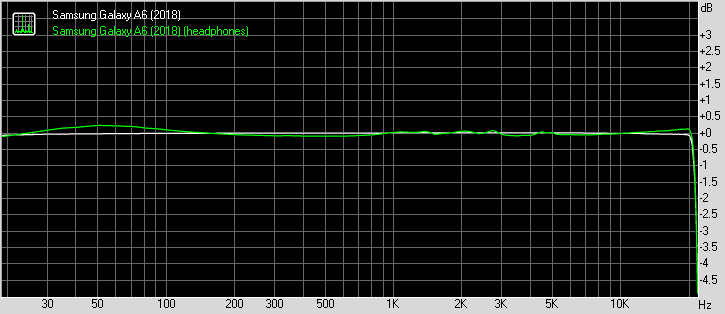
Samsung Galaxy A6 (2018) frequency response
You can learn more about the tested parameters and the whole testing process here.
Loudspeaker
The Galaxy A6 (2018) is a member of that weird bunch of Samsungs that have their loudspeakers on the side - the right one, above the power button. Unorthodox position aside, the speaker is plenty loud - enough to get our highest 'Excellent' mark. That puts it a notch above both the A8 (2018) and the J5 (2017) in terms of decibels.
| Speakerphone test | Voice, dB | Ringing |
Overall score | |
| 62.6 | 68.0 | 71.0 | Average | |
| 62.3 | 69.8 | 70.0 | Average | |
| 63.5 | 70.8 | 71.5 | Average | |
| 67.0 | 69.3 | 76.1 | Good | |
| 68.6 | 69.9 | 77.8 | Good | |
| 67.2 | 71.1 | 80.7 | Good | |
| 68.7 | 72.7 | 78.3 | Very Good | |
| 68.0 | 70.2 | 82.3 | Very Good | |
| 69.2 | 70.6 | 81.6 | Very Good | |
| 66.3 | 71.5 | 84.9 | Very Good | |
| 64.8 | 70.5 | 89.9 | Very Good | |
| 67.1 | 74.0 | 85.3 | Very Good | |
| 71.1 | 72.7 | 87.7 | Excellent | |
| 76.4 | 72.1 | 91.6 | Excellent | |
| 81.1 | 75.7 | 83.7 | Excellent |
Samsung Galaxy A6 (2018) battery life
The Galaxy A6 (2018) has a 3,000mAh battery inside, the same capacity as the A8 (2018) and the J5 (2017). In our testing, however, the A6 couldn't quite match those in battery life, though it's not half bad taken in isolation.
Thirteen and a half hours of looping videos is a downright excellent result, and the twenty-plus hours of voice calls are plenty. The web browsing longevity is the least spectacular, but nine and a half hours - we can live with. Standby performance turned out pretty great too and in the end, the Galaxy A6 (2018) scored an 83h endurance rating.
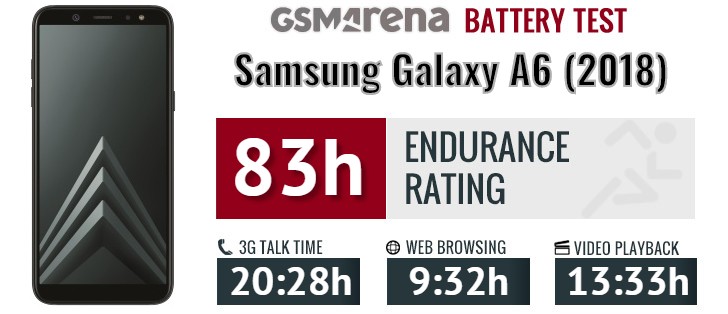
Our endurance rating denotes how long a single battery charge will last you if you use the Samsung Galaxy A6 (2018) for an hour each of telephony, web browsing, and video playback daily. We've established this usage pattern so our battery results are comparable across devices in the most common day-to-day tasks. The battery testing procedure is described in detail in case you're interested in the nitty-gritties. You can also check out our complete battery test table, where you can see how all of the smartphones we've tested will compare under your own typical use.
Software
The Galaxy A6 (2018) one-ups its higher-end sibling A8 and comes with Android 8.0 out of the box (okay, technically 0.8.9-ups it, the A8 came out with 7.1.1 Nougat on board). The version of Samsung Experience is also the latest 9.0 vs. the A8's 8.5, though it hardly a night-and-day difference. If anything, it's pretty much the same, and it's also not very different from the S9's look and feel - minus a bunch of features, obviously.
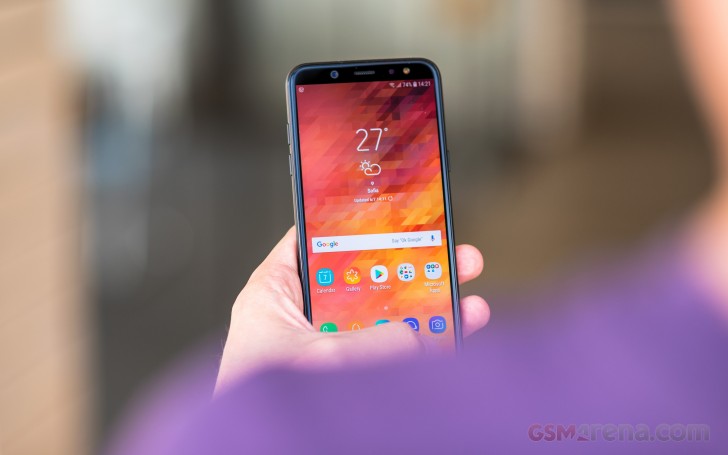
For one, it's missing an AOD. Couple that with the lack of a notification/status LED, and you end up having no way of knowing if you have any new notifications without waking up the phone. Boo, Samsung.
The fingerprint sensor is always on, at least that, and it's reasonably quick to unlock. The setup is lengthier than most other devices, but that ensures you'd be able to unlock at different angles and with a larger area of your finger - always a good thing.

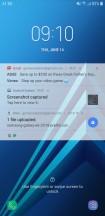
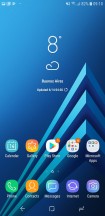
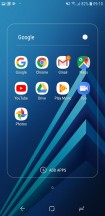
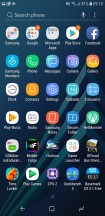
Fingerprint enrollment • Lockscreen • Homescreen • Folder view • App drawer
Nothing has really changed on the lockscreen, homescreen, or the notification shade. The task switcher (now with optional list view) is the place where you can initiate multi-window or pop-up apps - Samsung's really unmatched in the versatility of its multi-tasking implementation. Even the App pair feature from the S9 is here.
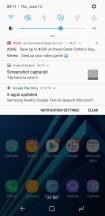
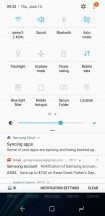
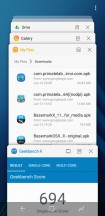

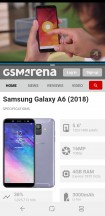
Notifications • Quick toggles • Task switcher • List view • Multi-window
Just like other Galaxies, the A6 (2018) supports themes, and there's a ton available in the store. 'Secure folder' is also present on the A6, and it's where you can keep files, memos, and apps away from prying eyes. Then there's Game launcher to keep your games in one place, and in-play Game tools to disable notifications and the nav bar as well take screenshots or record gameplay.
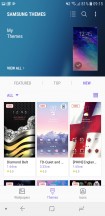
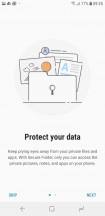
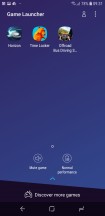

Theme store • Secure folder • Game launcher
Samsung is using its own Gallery app where the Pictures pane is a timeline of photos and screenshots, while Albums has them sorted by origin instead. Stories is Samsung's take on shareable collaborative albums, which we'd be surprised if anyone uses. There's a powerful editor on board for when you're away from a PC.
Google Play Music is the default player for your tunes, not Samsung's own Music. The sound settings are proprietary though, with either a simple two dial adjustment or a proper 9-band equalizer at your disposal. Especially useful is the Adapt Sound feature which tunes the EQ to your hearing and your particular pair of ears and headphones by playing multiple frequencies and asking how well you hear them.
An FM radio receiver is also available.
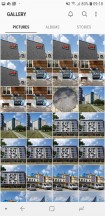


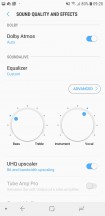
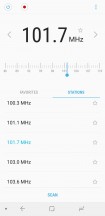
Gallery • Editor • Google Play Music • Sound settings • FM radio
Synthetic benchmarks
The Galaxy A6 (2018) is powered by the in-house Exynos 7870 chipset - a great SoC when it came out more than two years ago, but perhaps a little long in the tooth today - notably, in a phone in this price bracket. Don't get us wrong - its 14nm fabrication process was ahead of its time back in the day, and it is nothing to frown upon in the midrange. But the lowly clock rate cap of 1.6GHz for the 8 Cortex-A53 cores and the GPU that was underpowered from day one leave a lot to be desired regarding performance. The bump in RAM to 3GB is appreciated, however, and those looking for even smoother operation could look for the 4GB version that comes with twice the storage (64GB vs. our review unit's 32GB).
Neither of these matters in GeekBench, where competing 600-series Snapdragons and even the Kirin 659 quickly show their superiority. Only the Snapdragon 430 in the Moto G6 Play loses to the Galaxy A6 (2018)'s Exynos in the single-core test. The Galaxy's beating continues in the multi-core part, though admittedly the Kirin-powered Mate 10 Lite and P20 Lite aren't any better here.
GeekBench 4.1 (single-core)
Higher is better
- Samsung Galaxy A8 (2018)
1532 - Xiaomi Redmi Note 5 AI Dual Camera
1329 - Xiaomi Redmi Note 5 Pro
1327 - Huawei P20 Lite
938 - Huawei Mate 10 Lite
913 - Nokia 6 (2018)
882 - HTC U11 Life
873 - Motorola Moto X4
866 - Sony Xperia XA2
865 - Xiaomi Redmi S2 (Y2)
848 - Motorola Moto G6
754 - Samsung Galaxy A6 (2018)
733 - Samsung Galaxy J5 (2017)
731 - Motorola Moto G6 Play
639
GeekBench 4.1 (multi-core)
Higher is better
- Xiaomi Redmi Note 5 AI Dual Camera
4918 - Xiaomi Redmi Note 5 Pro
4696 - Samsung Galaxy A8 (2018)
4418 - Xiaomi Redmi S2 (Y2)
4313 - Nokia 6 (2018)
4225 - Sony Xperia XA2
4215 - HTC U11 Life
4140 - Motorola Moto X4
4136 - Motorola Moto G6
3972 - Huawei P20 Lite
3756 - Samsung Galaxy A6 (2018)
3718 - Samsung Galaxy J5 (2017)
3667 - Huawei Mate 10 Lite
3603 - Motorola Moto G6 Play
2328
Antutu isn't much more flattering on the Galaxy A6 (2018) with only the Moto G6 Play left trailing. The Snapdragon 630-powered Nokia 6.1 can be had for less, yet offers more oomph, and that's before we even go into Redmi territory.
AnTuTu 7
Higher is better
- Xiaomi Redmi Note 5 AI Dual Camera
115195 - Xiaomi Redmi Note 5 Pro
107737 - Nokia 6 (2018)
90918 - Huawei P20 Lite
87431 - Xiaomi Redmi S2 (Y2)
77488 - Motorola Moto G6
70845 - Samsung Galaxy A6 (2018)
63632 - Motorola Moto G6 Play
58757
Graphics benchmarks don't bring any surprises and the A6 is again towards the bottom of the charts. The single-core Mali-T830 MP1 can only do so much when it comes to raw power, but at least the 720p resolution of the Galaxy gives it a slight edge over Huawei's 1080p competitors in the onscreen tests.
GFX 3.1 Manhattan (1080p offscreen)
Higher is better
- Xiaomi Redmi Note 5 AI Dual Camera
10 - Nokia 6 (2018)
9.9 - Samsung Galaxy A8 (2018)
9.9 - Motorola Moto X4
9.8 - HTC U11 Life
9.6 - Sony Xperia XA2
9.6 - Motorola Moto G6
9.3 - Samsung Galaxy A7 (2017)
9.1 - Xiaomi Redmi S2 (Y2)
6.4 - Huawei P20 Lite
5.1 - Huawei Mate 10 Lite
4.8 - Motorola Moto G6 Play
4.6 - Samsung Galaxy J5 (2017)
3.3 - Samsung Galaxy A6 (2018)
3.2
GFX 3.1 Manhattan (onscreen)
Higher is better
- Xiaomi Redmi S2 (Y2)
14 - Motorola Moto X4
11 - Motorola Moto G6 Play
10 - Nokia 6 (2018)
10 - Sony Xperia XA2
10 - Xiaomi Redmi Note 5 AI Dual Camera
9.7 - HTC U11 Life
9.6 - Samsung Galaxy A7 (2017)
9 - Motorola Moto G6
8.8 - Samsung Galaxy A8 (2018)
8.7 - Samsung Galaxy J5 (2017)
7.4 - Samsung Galaxy A6 (2018)
6.7 - Huawei P20 Lite
4.9 - Huawei Mate 10 Lite
4.6
We knew it just by looking at the specs, but the benchmarks proved it - the Galaxy A6 (2018) could have benefited from a more powerful chipset. The Exynos 7870 is fine, but for the price, you can find significantly better performance elsewhere. On the positive side, the phone runs cool at all times and loads, and there was zero throttling.
16MP A-series camera swaps out the J one
One of few areas where the Galaxy A6 (2018) actually shows its A-series genes is the camera - it's packing the same shooter we saw on the A8 (2018). It uses a 16MP sensor placed behind an f/1.7 aperture lens. There's phase detection autofocus, but no optical stabilization. A single LED flash will illuminate the darkness, dual LEDs are reserved for the C-series.
The Samsung Experience may be up to v.9.0, but the A6 (2018) isn't getting the S9 camera app - it's a slightly older version instead. No worries, it's still functional and intuitive. Up/down swipes switch between front and rear cameras, swiping in from the left brings out the available modes, settings are accessed from the cog wheel icon up top. There's even a Pro mode, but there's hardly anything pro about it - you can only choose ISO (in the 100-800 range), exposure compensation (-2/+2EV in 0.1EV steps), and white balance (presets, but no light temperature).

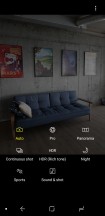
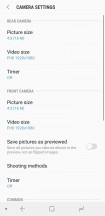
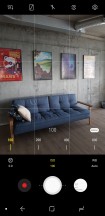
Camera interface
Image quality
In broad daylight, the Galaxy A6 (2018) takes quite pleasing photos. Detail is good, noise is well controlled, if still present, and the overall processing is very natural, as opposed to Samsung-y. What's not awesome is the dynamic range - high-contrast scenes are very likely to result in blown out highlights.
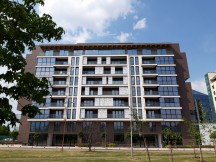





Camera samples
You could combat that by engaging the HDR mode (a.k.a. Rich tone), which is found in the drawer with various modes - it's not a toggle, and it's not in settings. There's no Auto HDR mode either - you need to take things into your own hands. It also doesn't quite work the same as on higher-end Samsungs, so you don't get a live preview, moving objects could get blurred and it takes an extra second or two of processing per photo.
In any case, difficult scenes with mostly still subjects are better shot in HDR mode. Looking at the first pair of images, you can see how much of the snail's shell and the sky in the background can be recovered. In the second pair, in addition to the highlight preservation, a visible boost in the lower midtones makes for an overall livelier and more balanced image.




HDR (Rich tone): Off • On • Off • On
Low-light samples turned out pretty dismal. There's a general softness to them, noise (mostly luminance, but still), and a significant discoloring. The Galaxy A8 (2018)'s low-light photos were better, so we can only imagine that the A6's chipset doesn't have the power to do the necessary processing.

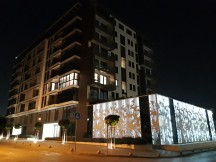

Low-light samples
You can (and you should) head over to our Photo compare tool to check out how the Galaxy A6 (2018) renders our test posters. We've picked the Huawei P20 lite and the Nokia 6.1 for a quick comparison, but you can replace them with your own set of phones.
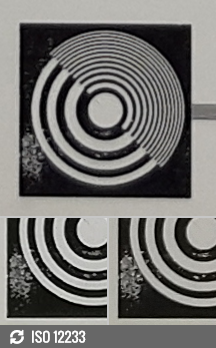


Samsung Galaxy A6 (2018) against the Huawei P20 Lite and the Nokia 6.1 in our Photo compare tool
Selfies
The A6 (2018) uses the same 16MP selfie camera as the A8 (2018) and it's a great one. It captures a lot of detail, faces are in sharp focus at arm's length distance, and colors are on point.



Selfie samples
There's also a portrait mode for selfies, or Selfie Focus as Samsung calls it. Subject separation is competent, and the defocusing blur is convincing, but the mode comes with some slight skin smoothing and brightening which you can't control. This guy likes it just fine that way.



Selfie focus samples (portrait mode)
Video recording
The Galaxy A6 (2018) has one of the most basic feature sets for video recording we've encountered recently, and it's again very likely a chipset limitation. Resolution is capped at 1080p, there's no 1080p/60fps mode, and there's no electronic stabilization.
Having said that, its 1080p footage is very nice, provided, of course, you have a way to firmly support the phone. Detail is abundant, there's no noise to speak of, and color rendition is on point.
The video bit rate is 17Mbps, very much the standard number, while audio is recorded in stereo with a 256Kbps bit rate.
With no 4K and 1080p/60fps modes, the Galaxy A6 (2018) is very light on our server space - we've only had to upload a 1080p/30fps sample.
Of course, a trip to our Video compare tool is in order. Pitted against the Huawei P20 Lite and the Nokia 6.1 for starters, the Galaxy A6 (2018) outperforms the former, but the latter can do 4K.
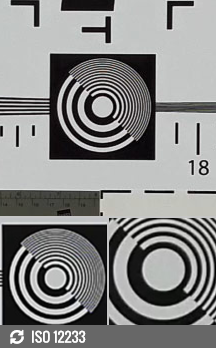
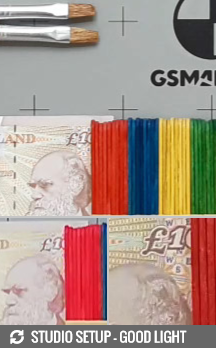
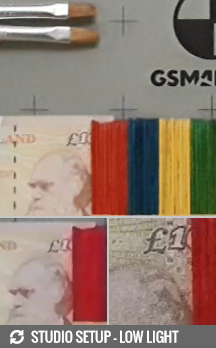
Samsung Galaxy A6 (2018) against the Huawei P20 Lite and the Nokia 6.1 in our Video compare tool
Competition
The Galaxy A6 (2018) is no S9 - it's got a tough crowd to fight in the mid-range. We're not saying it's not equipped to do it, but maybe, just maybe, someone at Samsung goofed with the pricing.
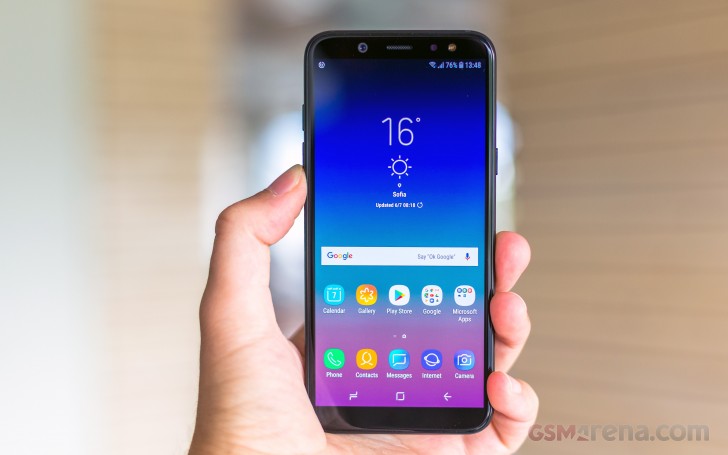
Seriously, though - for less than A6 money you could have the Nokia 6.1 with a more powerful Snapdragon 630 chipset, a 4K-capable camera, a USB-C port, and fast charging. The Galaxy's selfie camera is superior, though.
The Moto G6 is another viable option that will leave you some extra cash. Better GPU, sharper screen, 1080p/60fps video (but still no 4K), USB-C, and fast charging all go in the Moto's favor, while the Galaxy snatches victories for its selfie cam and battery life.
Or how about the Huawei P20 Lite? This one might be slightly more expensive depending on where you are, though it's the other way around in other regions. Another performance battle lost by the Galaxy here, plus the Huawei has a higher-res display, USB-C and fast charging (hmm, we seem to be mentioning this often). The A6's camera output is superior all around, and it has a certain edge in battery life.
A-ha! Here's a competitor where the USB port and charging speed won't make a difference - the Oppo F7 is another phone with legacy microUSB and 10W charging. The Helio P60 inside it is a powerhouse compared to the modest Exynos in the Galaxy, and even so, the F7's battery life is slightly better. Plus it comes with more RAM and storage as standard, and a bigger, sharper display. The Galaxy is the one to pick for image quality, and hate on it as you might, Samsung's software still beats Oppo's in our book.
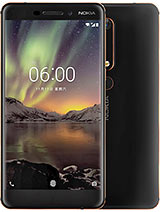
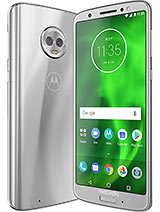

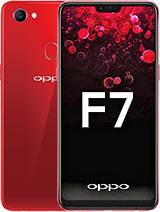
Nokia 6.1 • Motorola Moto G6 • Huawei P20 lite • Oppo F7
Verdict
We kicked things off with the Galaxy A6 (2018) expecting it to suffer in the bang-for-buck metric. A full review later, it appears we were right on the money (pun intended).
Pros
- Compact dimensions, solid build
- Superb selfie camera
- Very good battery life
Cons
- Grainy display, subpar (in AMOLED terms) sunlight legibility
- Underpowered chipset
- No fast charging
- High price for the hardware
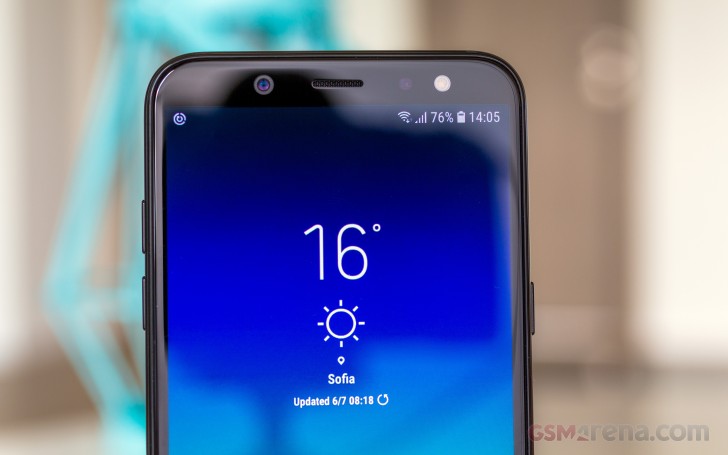
It's a really capable phone, the Galaxy A6 (2018). It's got a good rear camera, a great front facing one, excellent battery life, and well, an okay AMOLED display. Trouble is, it's not good enough to justify its current price. Price drops and carrier subsidies could help make it a better deal, but as it stands, it's not an easy recommendation.
0 Response to "Samsung Galaxy A6 (2018) review"
Post a Comment