Smart Android And Trik-Commenting on Andorid indeed never endless, because smart devices this one is often updated every certain amount of time. So that the market can always be garapnya menerinya with pleasure. And it is not denied if this device has become the lifestyle of each society. To not wonder if the 6th business information and many are turning to mobail smartphone. With Android which thoroughly dominated the mobile industry, choosing the best Android smartphone is almost identical to choose the best smartphone, period. But while Android phones have few real opponents on other platforms, internal competition is intense.
Introduction
Sony made quite the stir a couple of days ago by announcing the 'first smartphone with a 1"-type camera sensor and phase-detect autofocus' - the Xperia Pro-I ('I' for Imaging). In our hands-on, we tried to clarify that, while in fact there is a 1"-type sensor in the phone, just its center is used, and it effectively behaves more like a 1/1.33"-type unit, essentially the same size you'd find in a Galaxy S21 Ultra, vivo X70 Pro+, or a Mi 11, and it's even smaller than the one found in the Mi 11 Ultra (1/1.12"-type). We'll have to keep repeating that, thanks to Sony's misleading marketing language, but ultimately that's not what we're here for now.
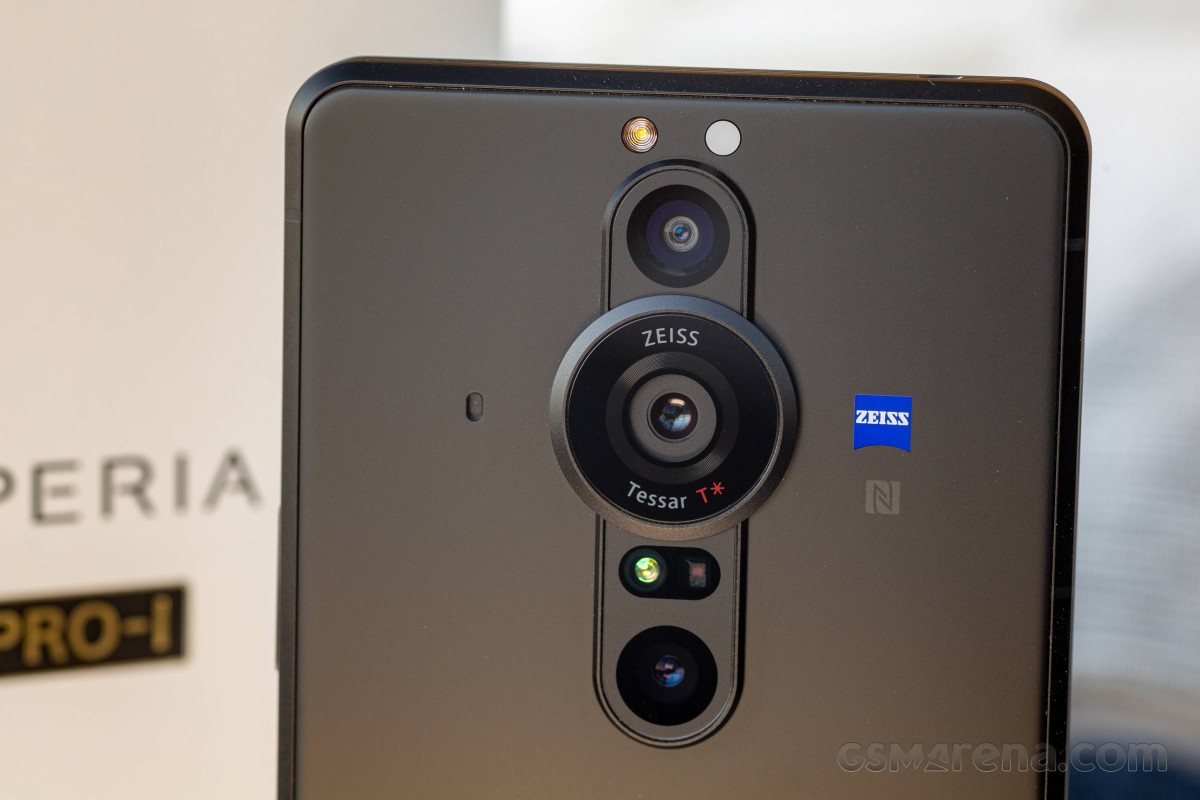
Instead, we'll direct our attention to the Xperia Pro-I's video recording capabilities, of which it has plenty, even more than previous high-end Xperias. The Pro-I has three apps that can be used for video capture depending on your level of expertise and use case; it can record 4K at up to 120fps, it has a trio of mics and an extra customizable button in addition to the usual shutter release, it supports new accessories that make it a complete lightweight vlogging rig.
App overview
Sony's been offering the Cinema Pro (or Cinematography Pro) app since the Xperia 1, and it got a few refinements over the years to get to where we are now, though we still wouldn't call it perfect. Co-developed with the CineAlta branch of the Japanese company, this one is for more advanced users and requires a certain workflow and post-processing to get to a finished product.
Video Pro (or Videography Pro) is the new addition to the software package. It slots in between Cinema Pro and the 'default' app in complexity and capabilities - it still allows you to tweak shooting parameters but is geared more towards shoot-and-send scenarios with no post-production involved.
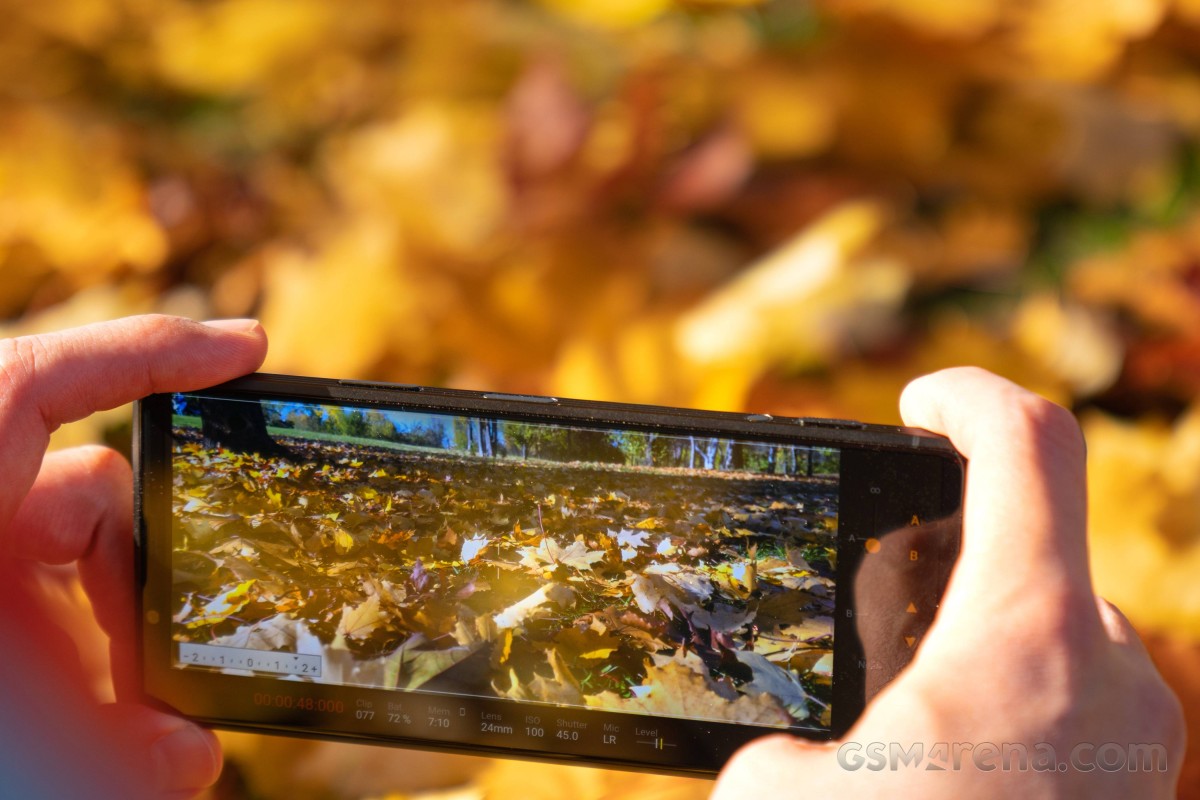
Then there's the Photo Pro (or Photography Pro) app, sort of the default app. Don't be fooled by the name; it can record video just fine. In its Basic mode, it's the heir to the original plain Xperia camera app, before all the dedicated apps came to be, and it brings a point a shoot experience with little to no control over the process. We'll talk more about these other two apps on the next page.
We'll be starting off with Cinema Pro.
Cinema Pro app
Sony first introduced the Cinema Pro app on the Xperia 1 (Mk 1), and we've been trying to explore what it offers every time we've had the chance. It's the most advanced app that Sony has and offers nuanced control over all aspects of the shooting process.
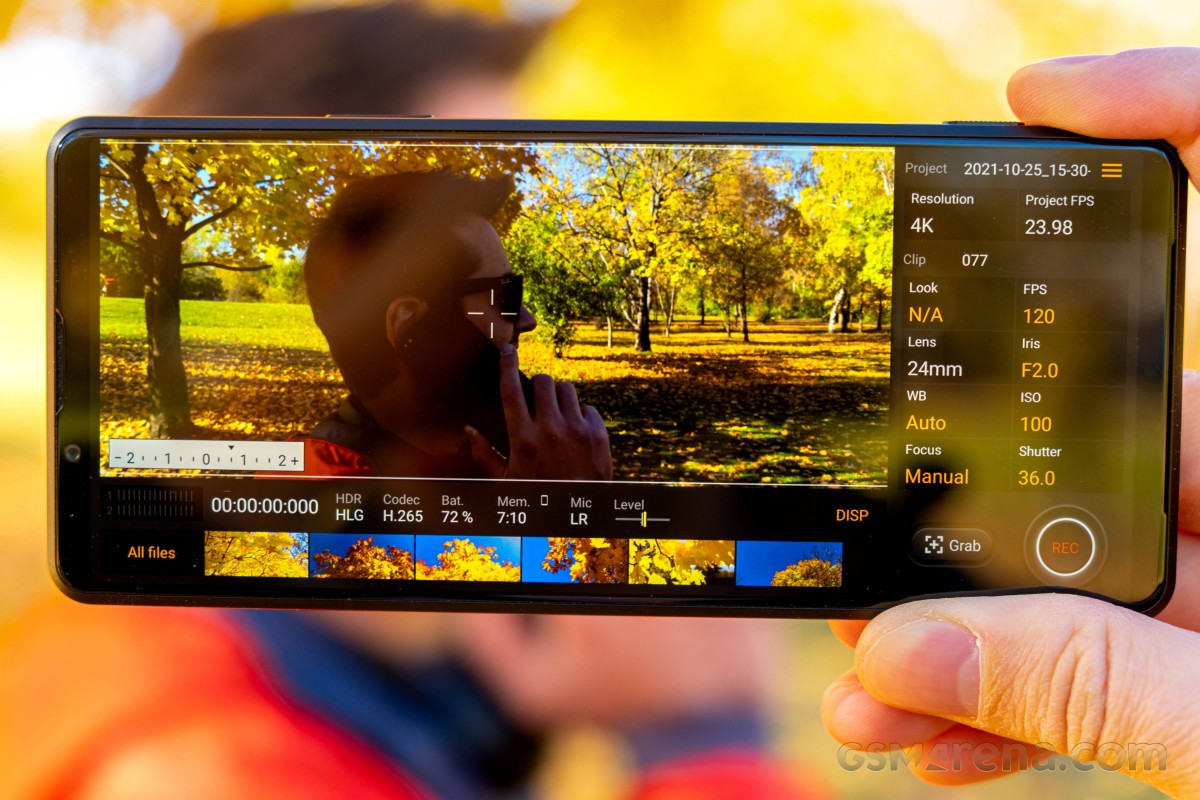
Having said that, there aren't any major differences in the version we find on the Xperia Pro-I, compared to what we had on the latest non-so-Pro Xperias, other than the added provision for switching the aperture on the main camera and the addition of the mic mode in the viewfinder.
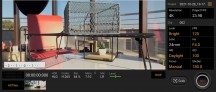
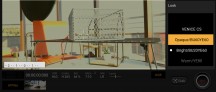
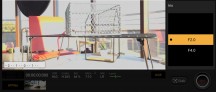
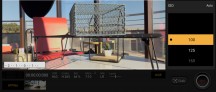
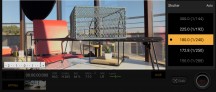
Cinema Pro UI
Cinema Pro unlocks frame rates and resolutions not available in the basic app, including 4K up to 120fps, albeit in 21:9 aspect ratio - that's really the only ratio in this app. You get the final say on the shutter speed (which you pick by shutter angle), ISO and f-stop (where applicable), as well as white balance and 'look' - sort of like a color profile of which there are a bunch (Venice CS, Opaque/BU60YE60, Bright/BU20YE60, and so on). A -2 to +2EV indicator scale in the bottom left of the viewfinder will tell you how far off you are from the metered exposure level.
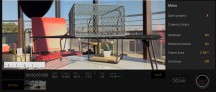
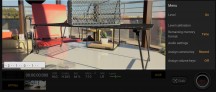
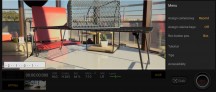
Settings
One of Cinema Pro's most useful features is the ability to rack focus between pre-set focus distances (A-B) with control over the duration of the transition. There's also tap to focus functionality, but there's no tracking, so if your subject moves within the frame, the phone won't follow it - instead, it will focus on whatever is in the box where you tapped.
One major omission when it comes to focusing aids, and it's a persisting one, is focus peaking. Manual focus would benefit greatly from it, but as it stands, it's a hit-and-miss affair.
There's no change in the availability of Eye AF in Cinema Pro either - you have it for stills in both Photo Pro and in the main camera app's photo mode, but it's not available for video recording in any of the three apps you can use for video yet.
IMPORTANT: Sony did confirm to us that EyeAF and Tracking AF for video will be available in the final retail product. It's just a limitation of our early review sample.
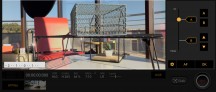
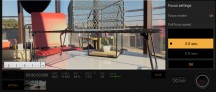
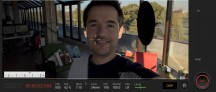
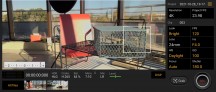
Focusing: A-B racking • Focus pull 'speed' (more like duration) • No eye AF • Tap to focus
You get the option to set a white balance by pointing the phone at a gray card. Additionally, you get sliders for tweaking the WB along the Blue-Amber and Green Magenta axis.
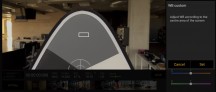
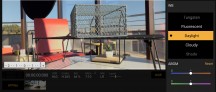
Custom white balance • Sliders for WB too (but no light temperature setting)
The largely unchanged state of the Cinema Pro app and certain seemingly obvious flaws that Sony refuses to address are leaving us a bit disheartened. The app is very feature-rich and has plenty of potential left to tap into, but it's not getting enough attention from the dev team.
Video Pro app
Cinema Pro is old news; Video Pro is all the rage. Similar to Cinema Pro, this brand new app offers granular exposure controls and extra frame rates on top of the basic app but saves you the hassle of color-gradinng the footage afterwards. That makes it more suitable for direct out-of-camera(phone) uploads to your favorite video-sharing platforms.
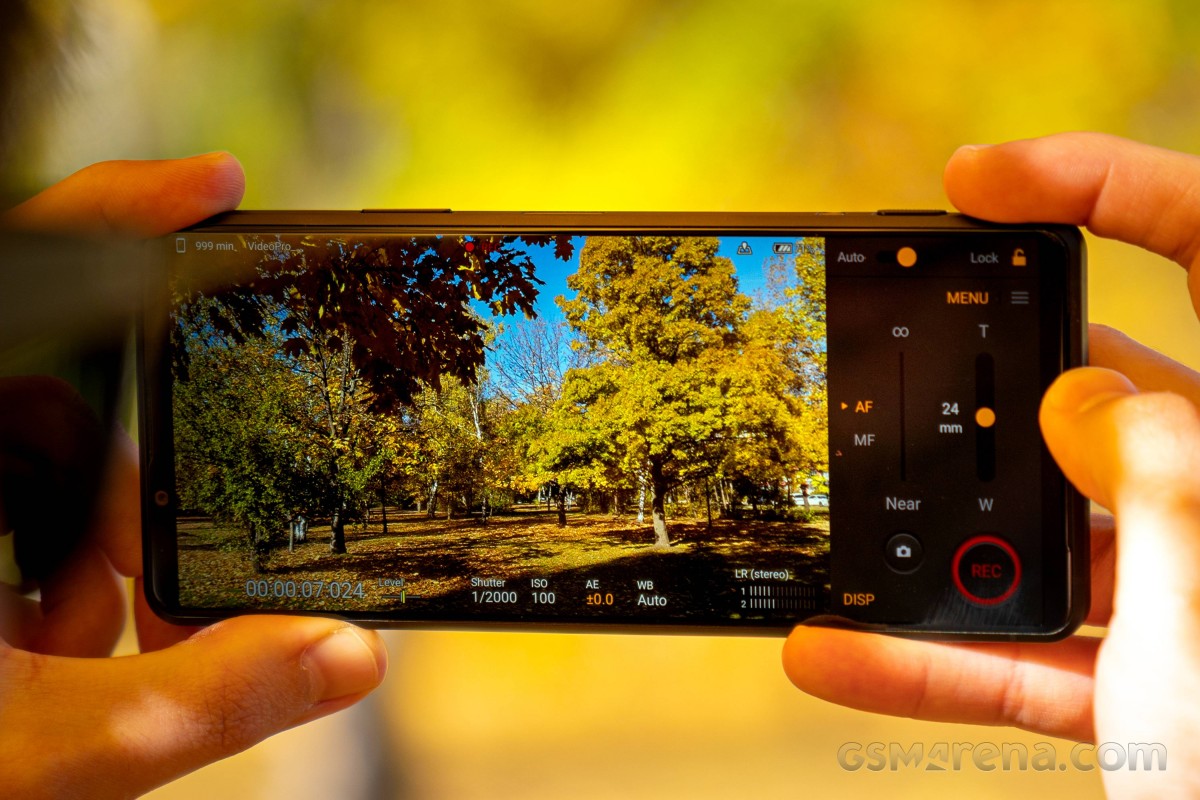
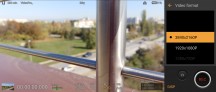
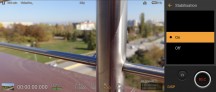
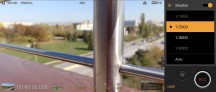
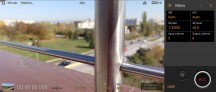
The interface of Video Pro features a similar split with a large viewfinder on the left and controls on the right. Always available are two sliders, one for focus and another one for zoom. There's an Auto switch up top, which frees the phone to take care of everything for you, and a lock button to disable all controls, so you don't accidentally press something.
The exposure controls and other shooting parameters are accessed from the Menu button. Mind you, it's a separate button from the hamburger [menu] button - a bit of a confusing UI choice, which took us a while to figure out.
The first tab of the Menu menu is where you pick the lens (camera), and on the main camera, that also lets you set the iris (aperture in video terms). Unlike in Cinema Pro, here you can only set the shutter speed by fractions of a second and not shutter angles - if we're calling the aperture 'iris', perhaps shutter angles are fitting too.
You can record at up to 4K120 here, and it's the regular 16:9 4K too, so 3840x2160px as opposed to the 3840x1644px in Cinema Pro. A small caveat is that it's encoded at 120fps, so it plays back at real-life speed, and not in slow motion, though if that's what you're after, this one, in particular, you can slow down to 1/4 or 1/5 in post. There's a 'slow motion' setting too, but that's only up to 60fps, and those clips play back at 30fps, so half-speed.
The second tab has the white balance and ISO settings. Oddly enough, in this app, you can set up to three custom white balance presets, unlike the single one in Cinema Pro, though here you're not getting the Blue-Amber and Green Magenta sliders.
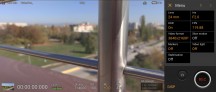
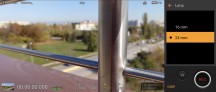
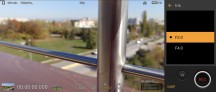
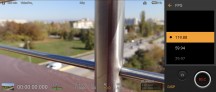
Video Pro UI
The hamburger menu, on the other hand, holds less immediately used settings like ISO limits, codecs, mic mode and controls.
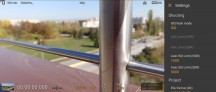
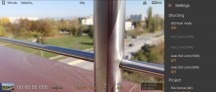
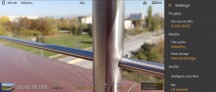
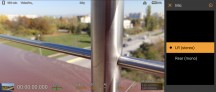
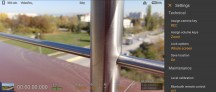
Hamburger menu options
Ultimately, if you're not coming from a cinema background and you're doing a simpler project, yet you appreciate finer control over the shooting process, Video Pro seems like the way to go.
Photo Pro app
There's also the video mode in the Photo Pro for the absolute most casual of occasions where you just want to capture something without much fuss.
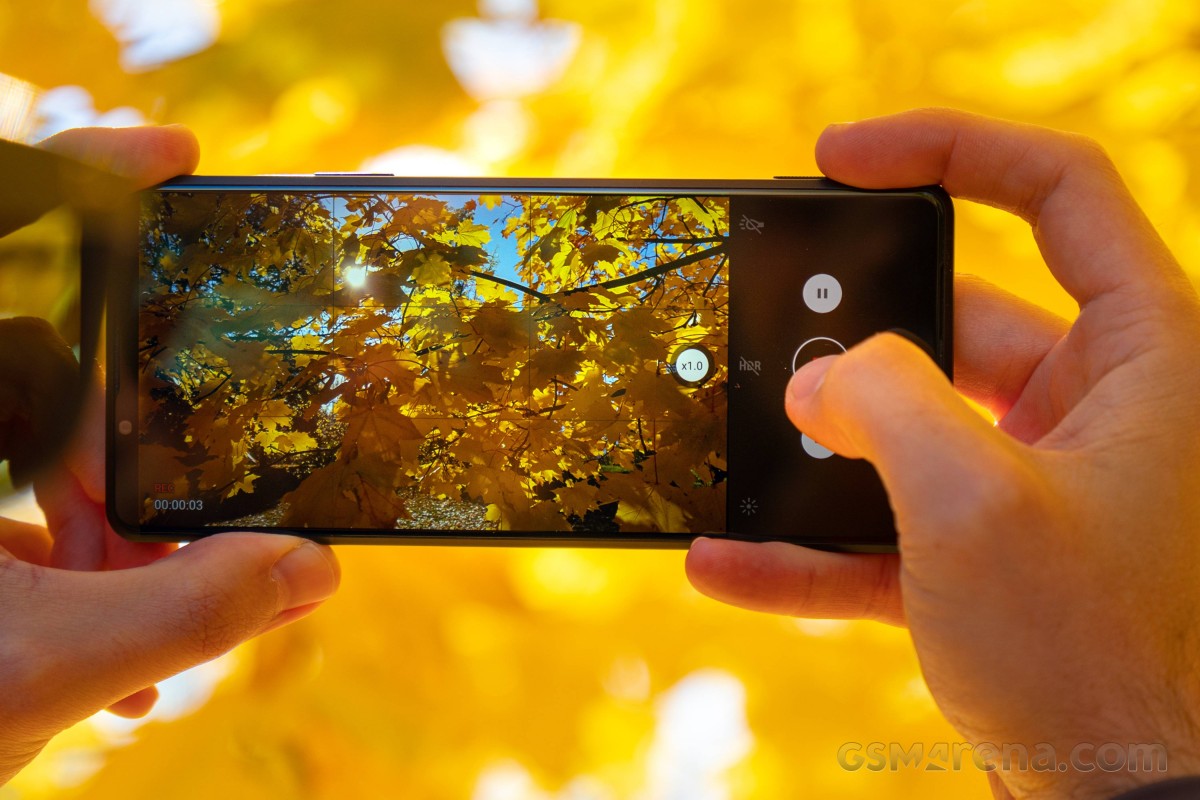
You're capped at 4K30 here, and your options are limited. You do get to choose the aperture on the main camera, to have electronic stabilization or not, and whether to use the stereo mics or the rear mono one. There are, in fact, implied white balance and exposure controls, and those are adjusted 'by feel' - there are no numeric values.
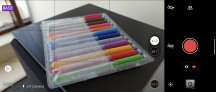
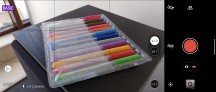
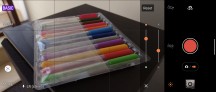
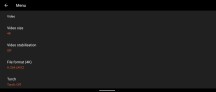
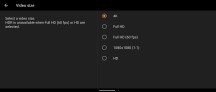
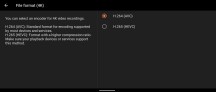
Photo Pro app used for video
Samples
Vlogging rig
We had no access to the extra accessories that Sony offers for the Xperia Pro-I. Going by the product images and the official promos, we can see them useful for the right type of consumer.
The Bluetooth grip/tabletop tripod (GP-VPT2BT, €140/$140) has been around for a while, and you can use it with a camera (like one of the A6000-series mirrorless ones or RX100s compacts or the RX0 ultra-compacts), but also with a phone.
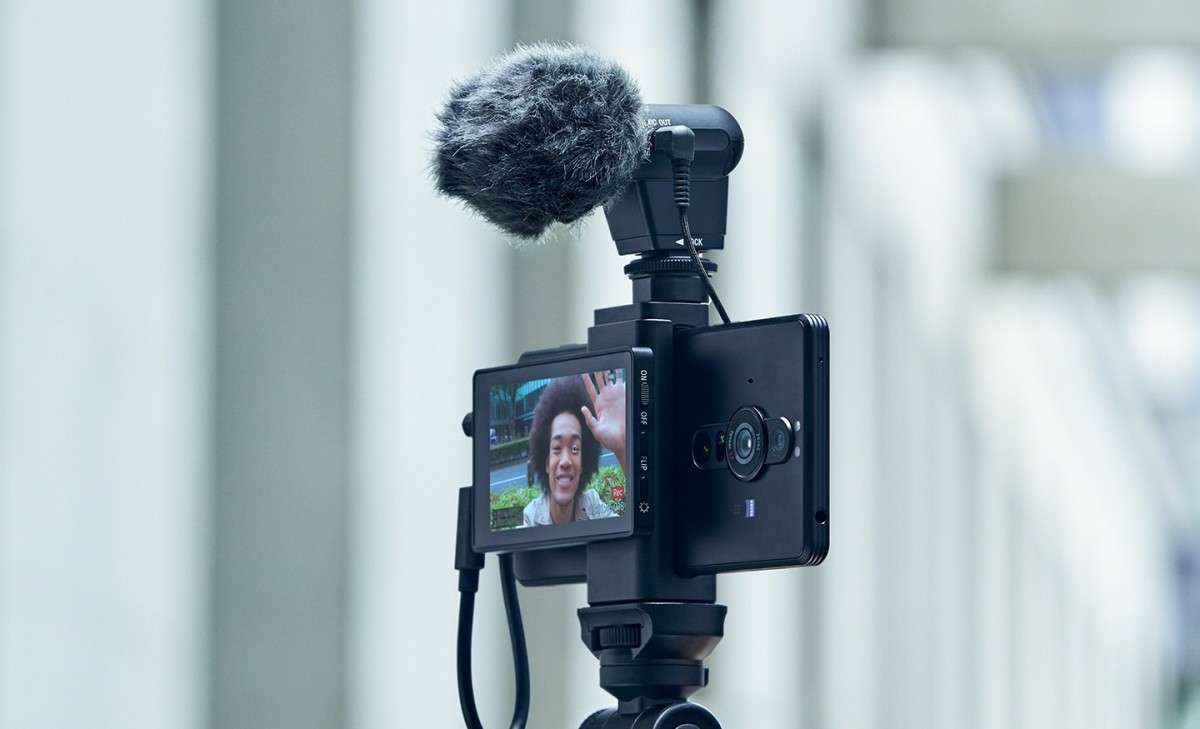
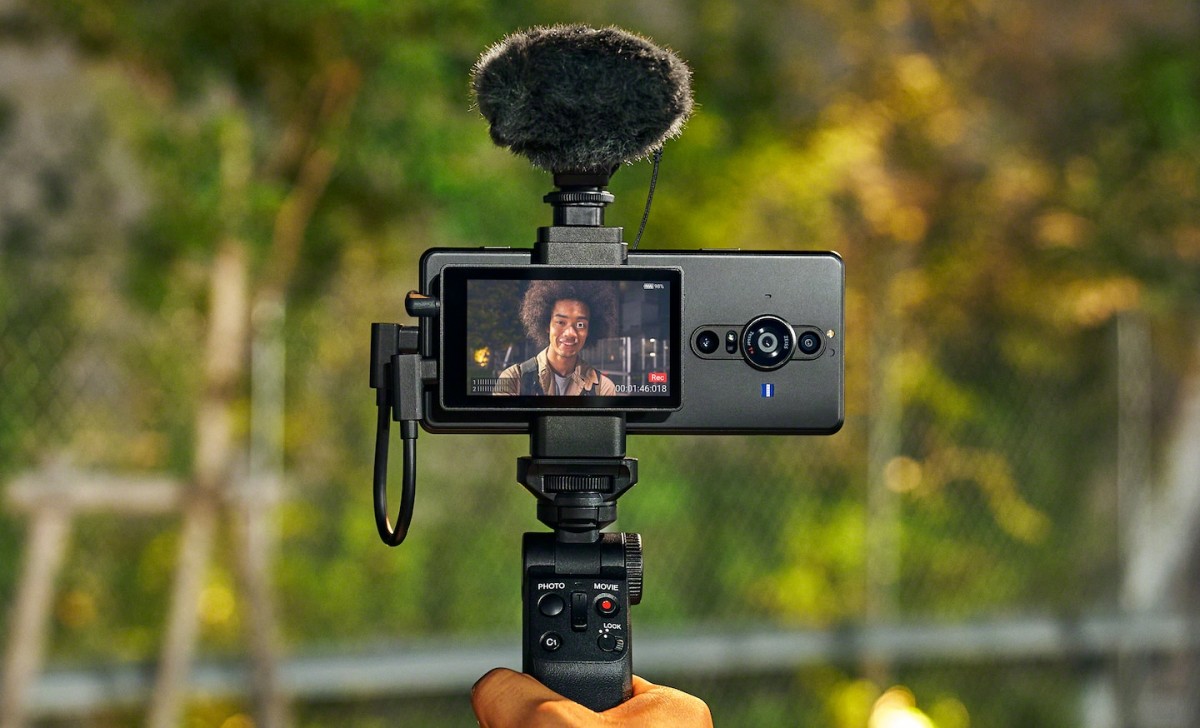
While you can come up with a phone clamp yourself and still use the grip, you might be better off getting the brand new Vlog Monitor (XQZ-IV01, €200/$200). The bundle includes the monitor itself, a 16cm USB-C cable for connecting it to the phone, and a phone clamp, which you can then mount on your choice of handle/tripod. The monitor attaches to the clamp magnetically, while the top of the clamp can take a hotshoe mic.
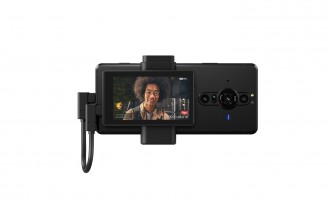
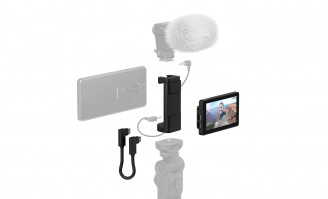
Vlog Monitor on the back of the Xperia Pro-I • Exploded view
It's this Vlog Monitor that transforms the Xperia Pro-I into a capable vlogging machine, letting you record yourself on that 1"-type sensor main camera, while getting a live viewfinder feed - you can always record yourself with the rear camera blindly, but that's unprofessional.
The monitor's screen has a 3.5-inch diagonal (so bigger than on the Sony ZV-1 dedicated vlogging camera and on the Alpha mirrorless cameras, which have been stuck at 3 inches) and a 1280x720px resolution.
I/O includes two USB-C ports - one's for connecting to the phone for the video feed and drawing power from the phone, the other is for powering the screen from an external source, in which case the phone itself gets pass-through power.
There's also a 3.5mm microphone jack, more for completeness sake than actual necessity, since the phone has one already. Then again, there could come up a use case in which the phone is further away, and you run a single USB-C cable to the monitor and the mic nearby.
The controls on the monitor are limited to a power switch and two buttons - flip (for when your mounting setup has the screen looking the other way) and brightness.
The monitor itself weighs 69g, the phone clamp is 77g, while the USB-C cable is 11g. Adding in the grip's 215g and the phone's 221g, the sub-total works out to 593g, the 37g for the leather case - strictly optional.
All that's left now is to add a mic. The one they have in the promo materials is the XYST1M (€170/$160, 100g without the cable or the deadcat), but they're not too keen to list it in the related accessories on the Pro-I'sproduct pages, nor are there any other mic suggestions in there. Anyway, this one brings the total to roughly 700g and €2300/$2300).
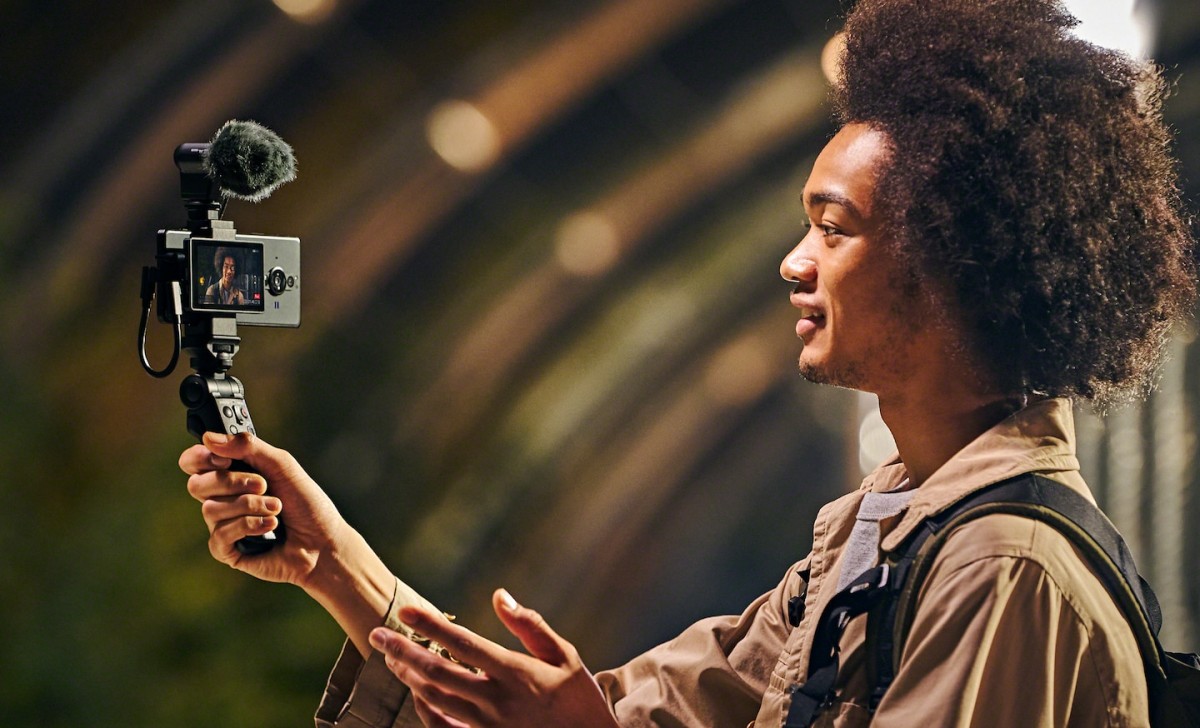
For comparison, the Sony ZV-1 camera (294g, €680/$680) can replace the smartphone in that setup, and the total weight will get to 770-ish grams, a rather small difference at this point. The total price, on the other hand, will drop, more tangibly to roughly €1200/$1200, and that's without taking into account bundle deals on the ZV-1, which may include some or all of the above accessories at reduced prices. The ZV-1 is also (sort-of) a proper camera with a proper 1"-type sensor and a proper 24-70mm equiv. zoom lens. It's not remotely a phone, though, and carrying a phone, and a vlogging setup already means an extra bag, so an additional camera may very well be pushing it.
Odds and ends
There's a handful of things we'd like to mention that don't quite fit into any of the previous chapters, so we'll just go on and throw them in here in no particular order.
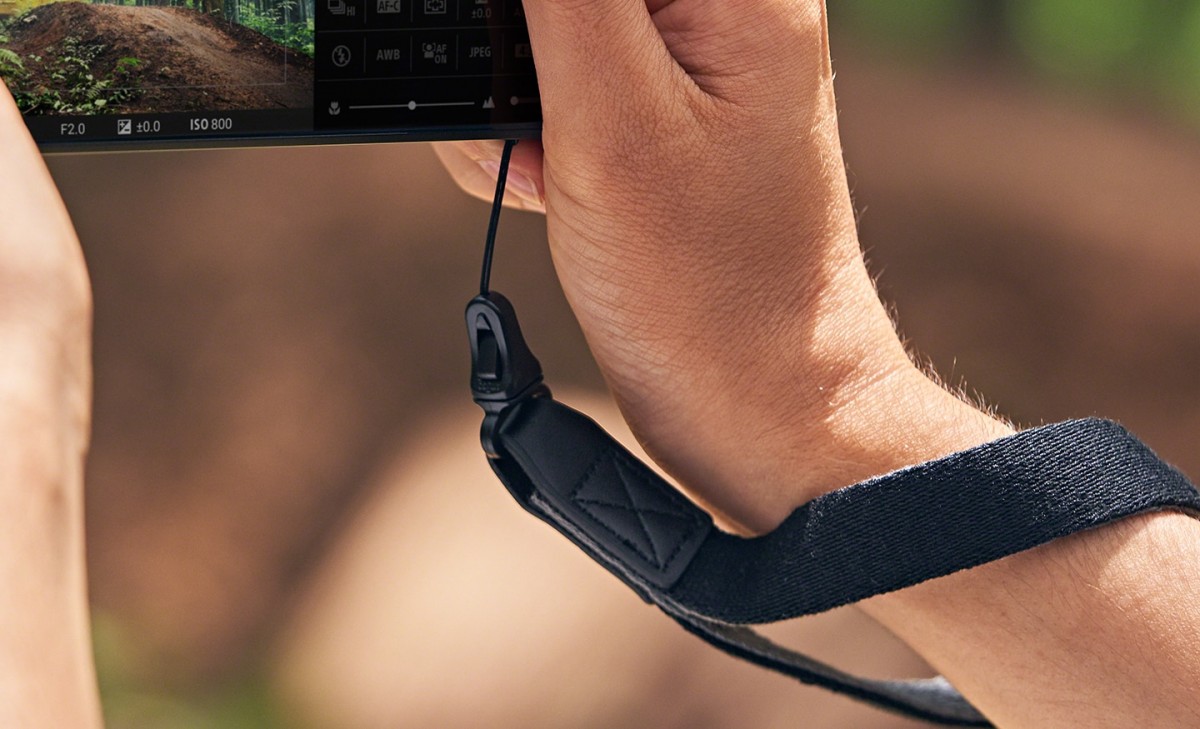
The Xperia Pro-I's hardware has a few additions that can prove beneficial. One of those is the lanyard eyelet at the left bottom of the phone, which lets you attach a strap so you can ensure the phone won't drop to its death, if you were to get too carried away in your video capture and it slipped.
The other neat new development is the extra key next to the ever-present hardware shutter release. It can be set to launch any app on the Xperia Pro-I, but you can specifically use it to summon one of the video-centric apps, and it's set to Video Pro by default. It's not customizeable within those apps, however, and that's a missed opportunity, though one that can be seized in a future update.
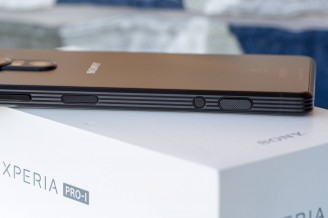
Lanyards are welcome • Quick launch but that's it
One more hardware aspect of the Xperia Pro-I that came up repeatedly was the lack of a first-party solution for using ND filters. Back in Xperia 1 (Mk 1) days, we had a jerryrigged case that would take standard screw-on filters, and that did the job, but we weren't all too keen on ruining the $90 leather case we got with the Pro-I. There are clip-on third-party ones, but for a product that Sony is trying to market as a pro video camera of sorts, a Sony accessory seems the logical way to go.
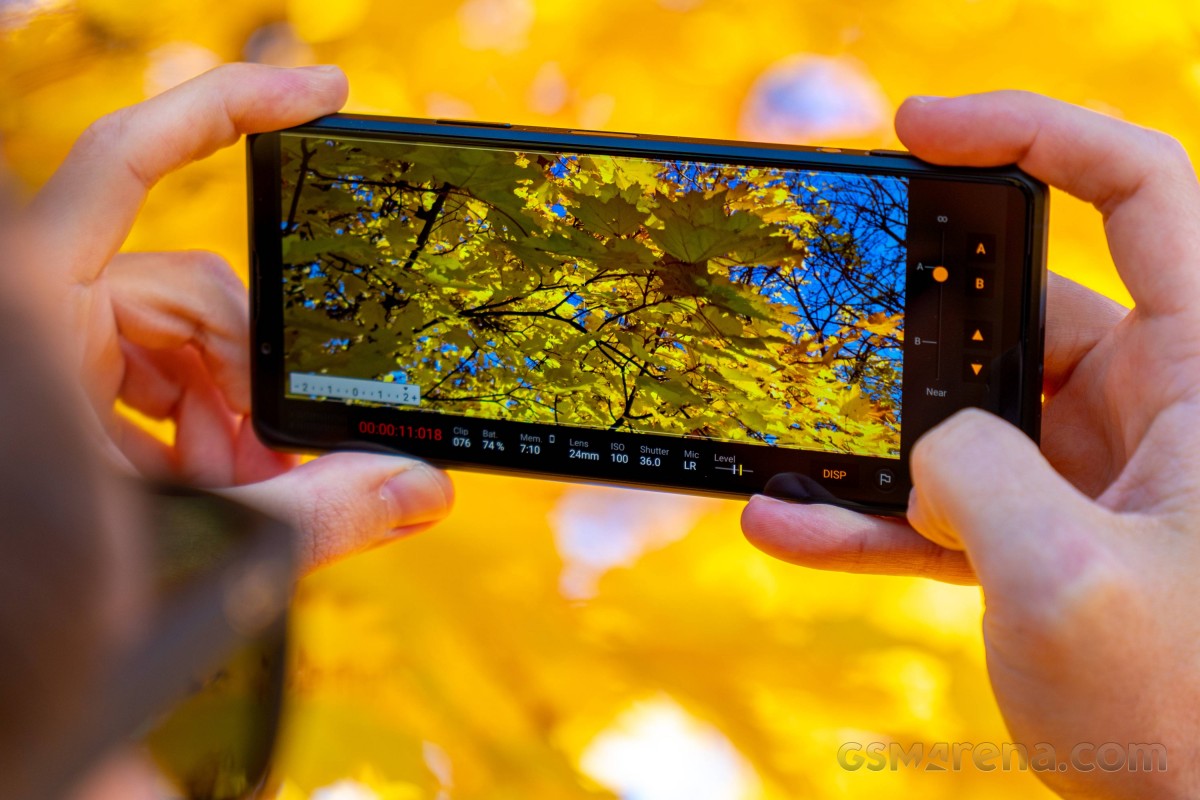
Admittedly, the ability to stop down the aperture and thus limit the light hitting the sensor helps in a way. But that negates the advantages of the big sensor and robs the footage of the shallow DoF.
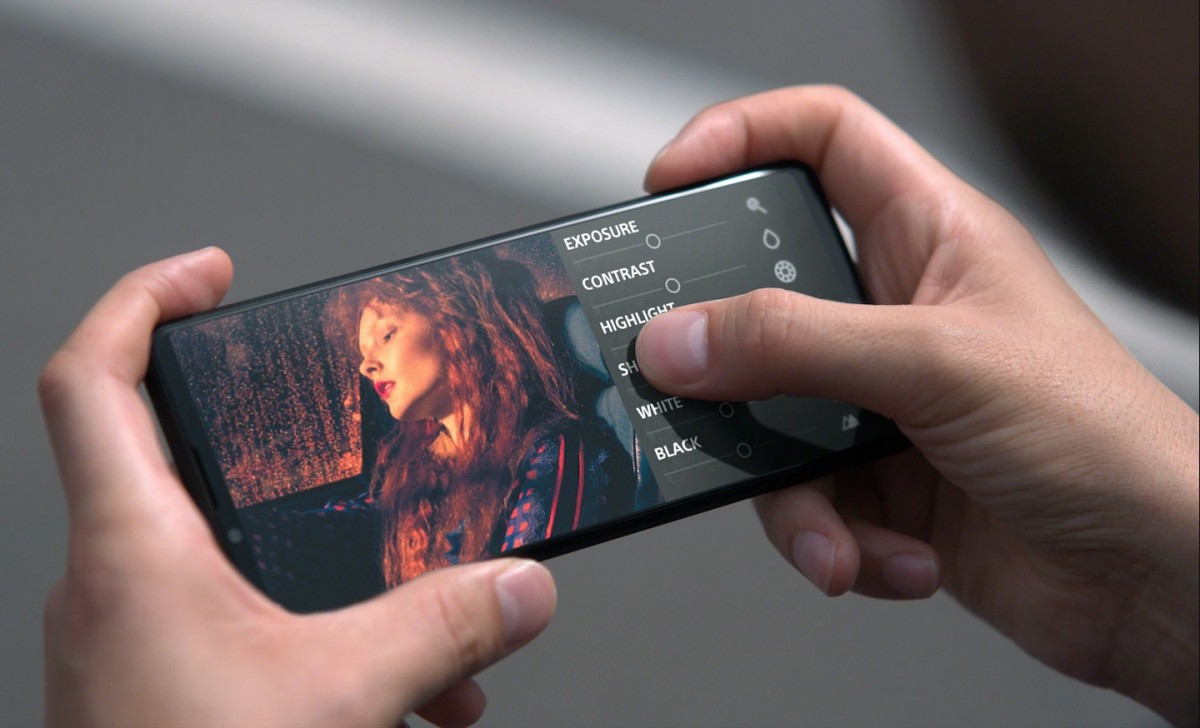
We also couldn't find a way to edit videos on the phone beyond a simple trimming function. That is, we can edit videos captured in the basic (for video purposes) Photo Pro app with the entirety of tools available in Google Photos, but for clips recorded in any of the other two apps, all you can do is trim, and that's it. There is nothing of the sort of editor shown in the promo materials, but again, this might be due to this unit being not quite ready feature-wise.
Lastly, not strictly related to the Xperia Pro-I's use as a video camera, but very much related to using it in a video recording environment, the Pro-I can be put to work as an external monitor for Sony's real cameras, same as the 1 III and 5 III.
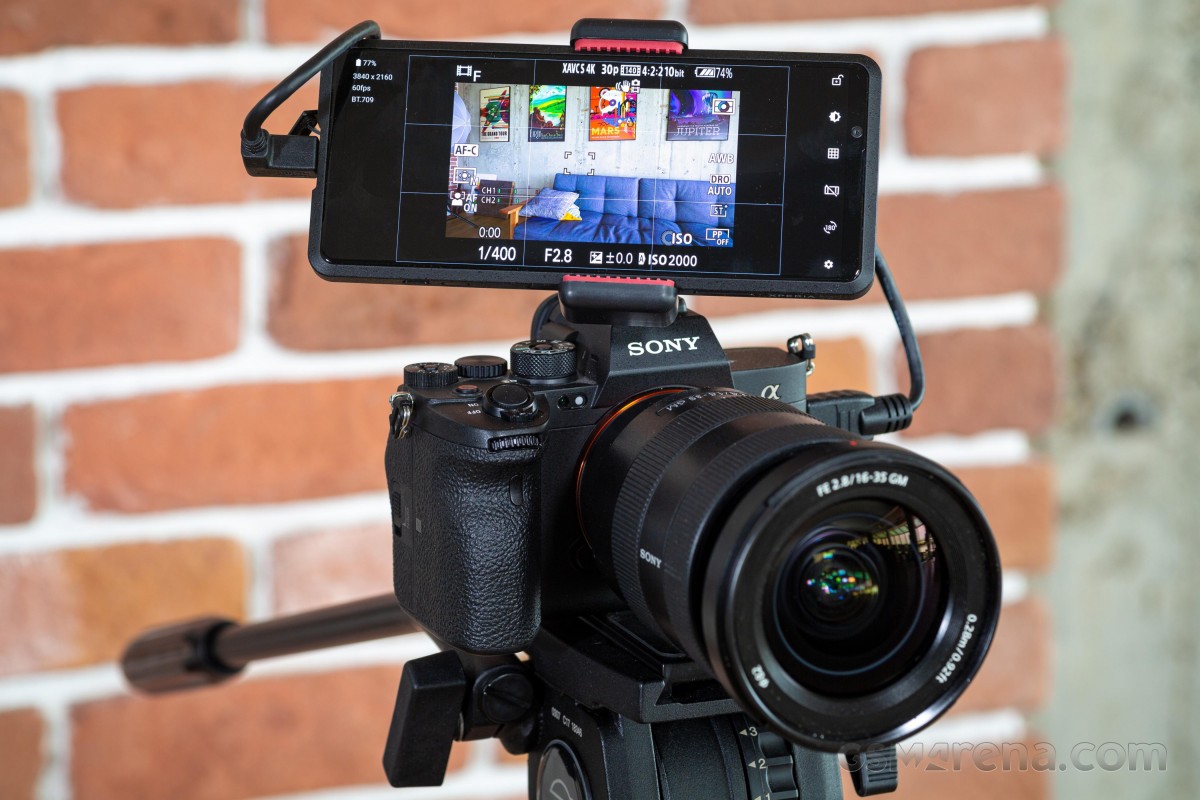 External Monitor app on the Xperia Pro (the previous one, non-I) with the A7S III
Final words
Since we were given a preview-grade sample of the Xperia Pro-I, we haven't delved too deep into actual video quality. We have the samples from the current firmware up on YouTube for you to check out, but the results may change as the phone reaches a final state, and since there's a good two months before the market launch, there could be significant changes.
We did play around with the apps Sony is offering (an ever-growing number seemingly), and we can say there are good bits and not-so-great bits. For starters, Cinema Pro is mostly unchanged from previous incarnations we've seen, and things like the missing focusing aids or the hard-to-grade color profiles are long-standing gripes we've had with that one.
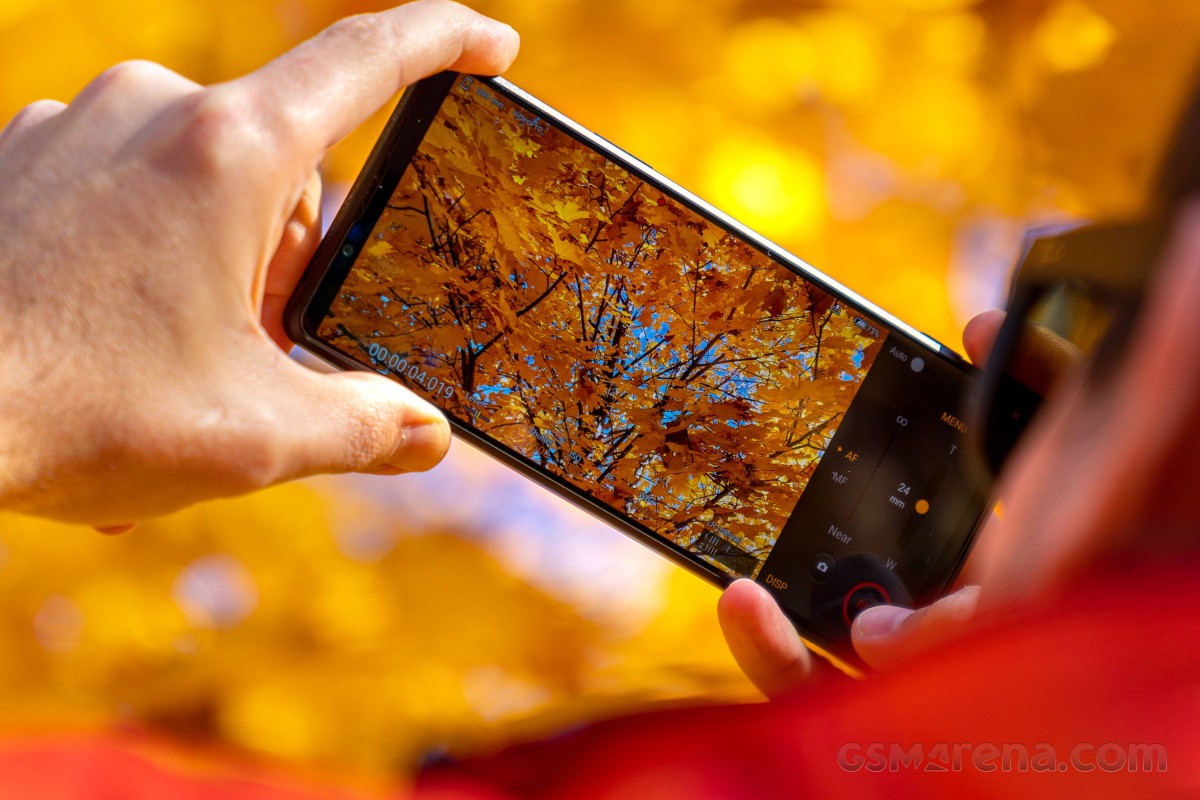
On the other hand, Video Pro is easier to like. It's a lot more approachable for someone without cinematographic training, yet it offers nearly as much creative control. It's perhaps just A-B focusing and 4K120 slow motion away from being as fully capable as CinemaPro, and it doesn't require labor- and time-intensive post-processing.
Photo Pro's video-recording capabilities, meanwhile, are basic, and that's all that's needed there - the two other options can fully satisfy more advanced videographers.
Now, how good of a smartphone the Xperia Pro-I is, that will be a matter we'll ponder in December. As for whether it can justify its price tag, this one is probably clear already, but it's also entirely missing the point. Sony wanted to put a 1.0"-type sensor in a phone and did that. They also came up with a new video recording app, and that's likely going to make it to the mainstream phones, and that's great. They've never been much into doing things like the rest of them, and that's okay too. The best that can come out from all this is a properly great Xperia 1 IV, so we're on board.
0 Response to "Sony Xperia Pro-I as a video camera"
Post a Comment